

The Coinage of Marcus Aurelius
Marcus Aurelius ruled the Roman Empire during a time of both expansion and challenge. His reign was defined by military campaigns on Rome’s northern frontiers, philosophical reflection, and the careful maintenance of imperial stability. The coins struck under Marcus Aurelius circulated widely across the empire, carrying messages of military success, civic duty, and the emperor’s role as a wise and virtuous guardian of Rome.
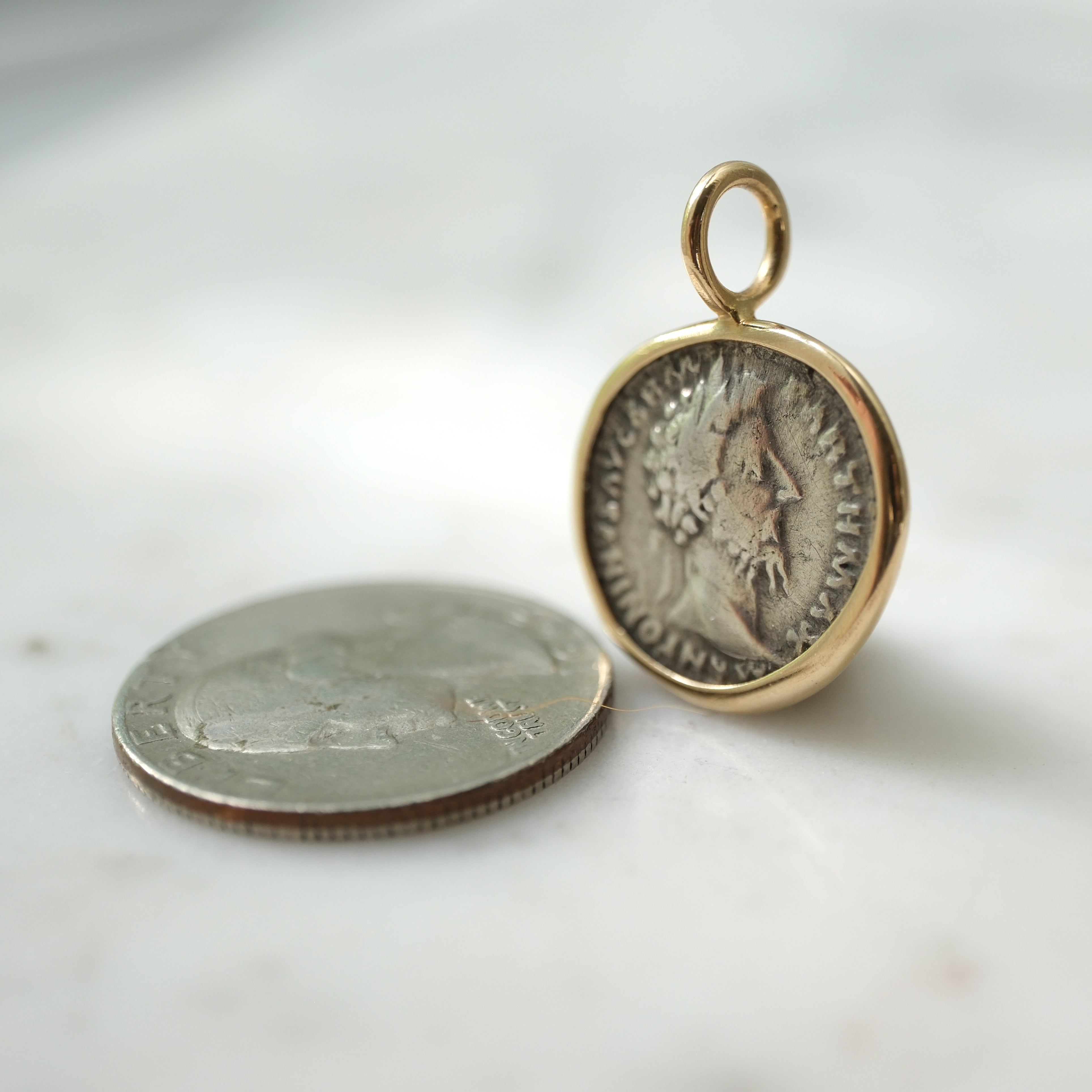
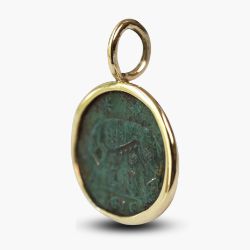
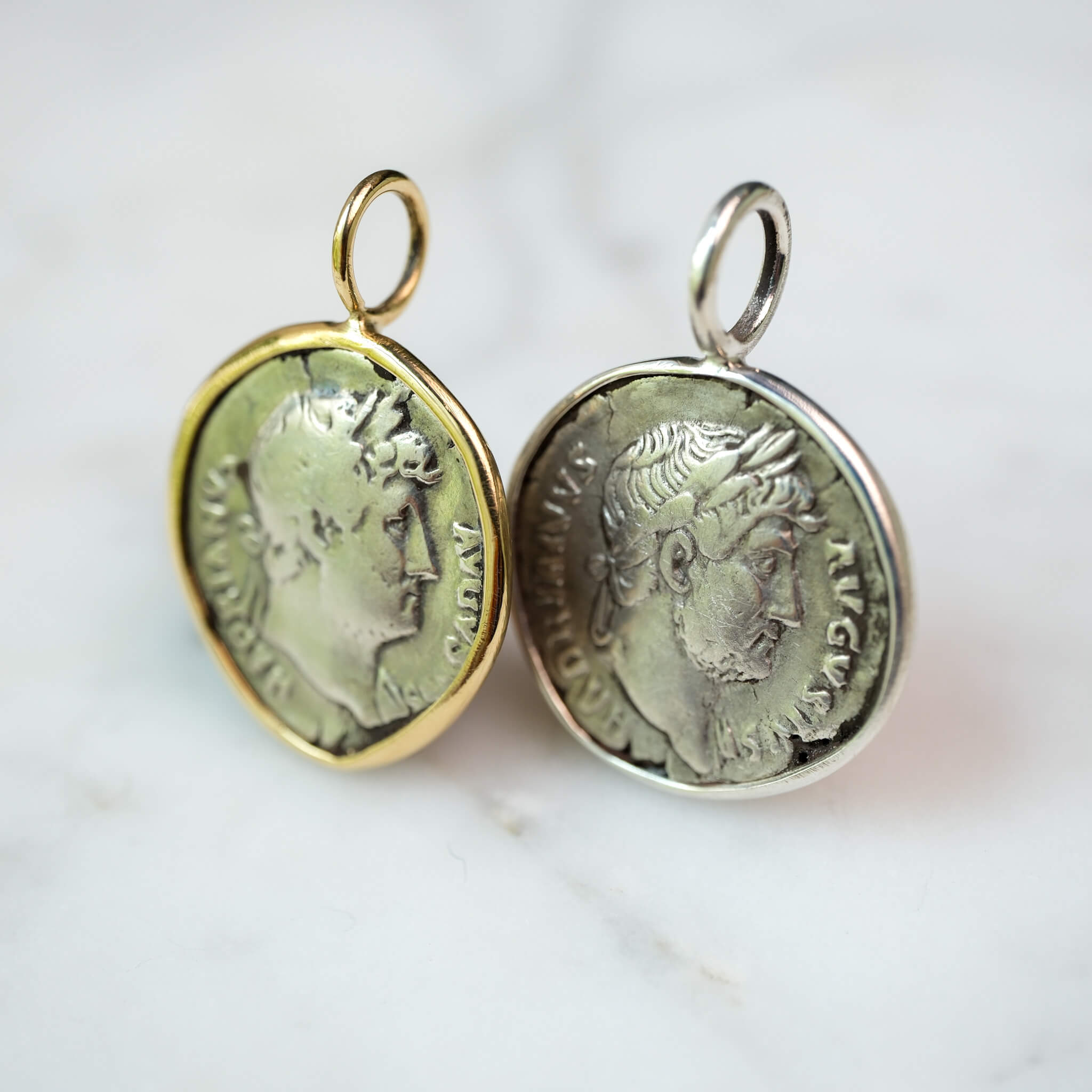
Marcus Aurelius Denarius Pendant


Symbols of Marcus Aurelius’s Reign
The coinage of Marcus Aurelius reflected an empire facing both external threats and internal continuity. His issues frequently emphasized imperial authority, military success, and the stability of Rome’s frontiers. Unlike some predecessors, Marcus Aurelius balanced the display of martial strength with the virtues of wisdom and duty, mirroring his reputation as the philosopher-king.
Common motifs on his coins include Victory, Fortuna, and personifications of Rome’s provinces, symbolizing both military achievements and the emperor’s role as protector of the empire. Other reverses celebrated civic virtues, the prosperity of Rome, and the harmonious administration of the state.
These coins circulated widely across the Roman world, from Britannia to the eastern provinces, communicating Marcus Aurelius’s authority and reinforcing the image of a ruler whose power was exercised through both strength and wisdom.
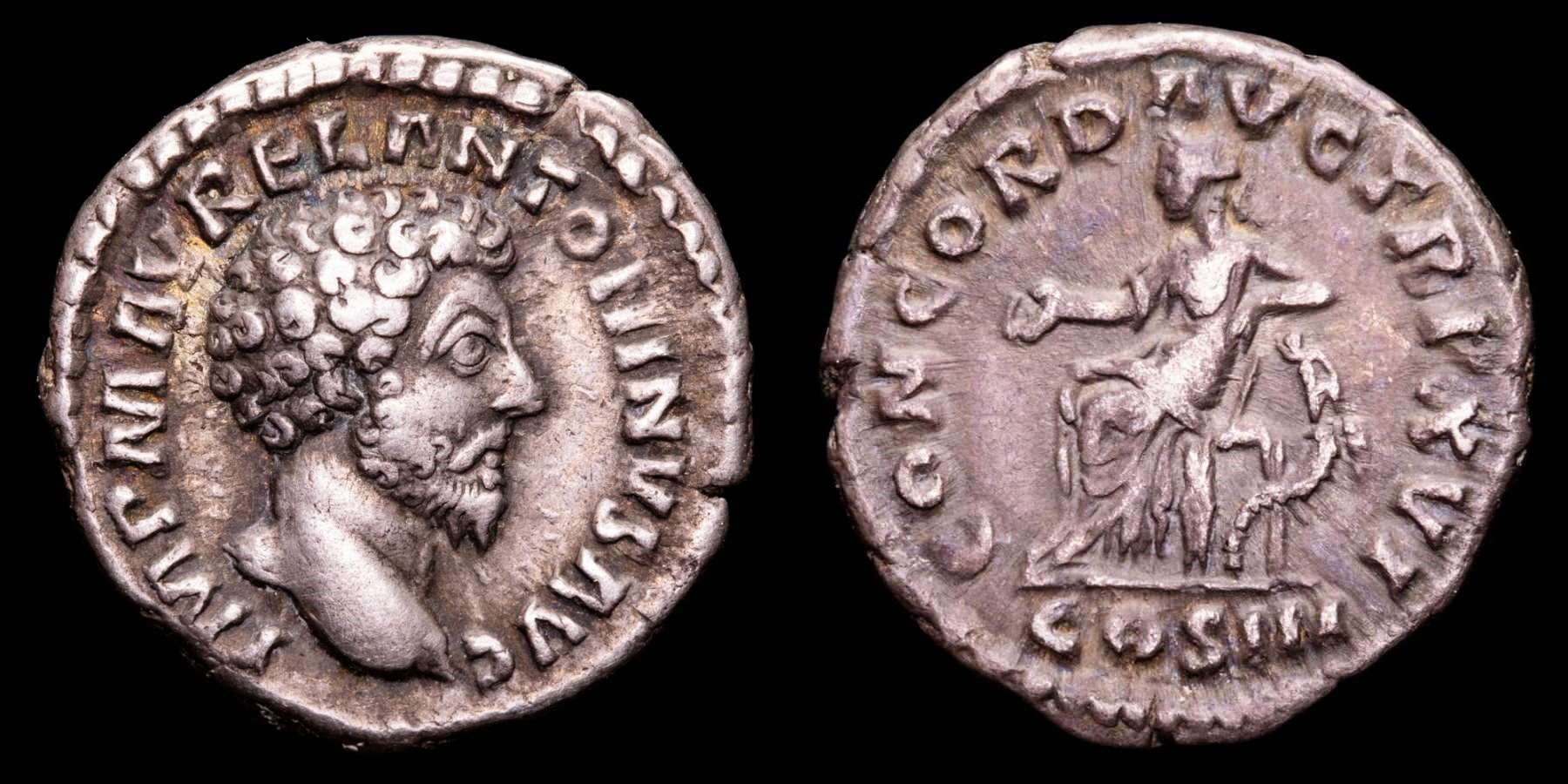
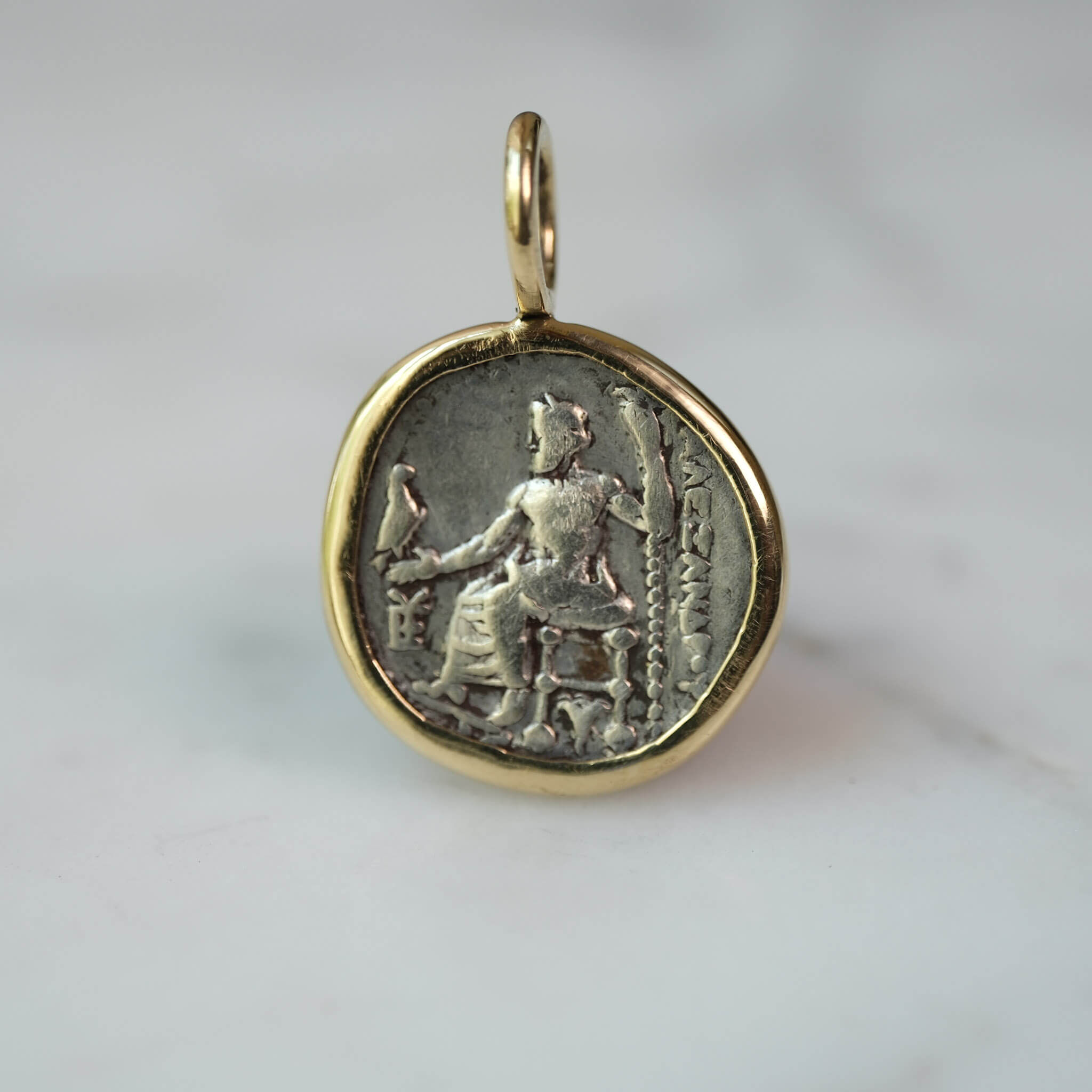
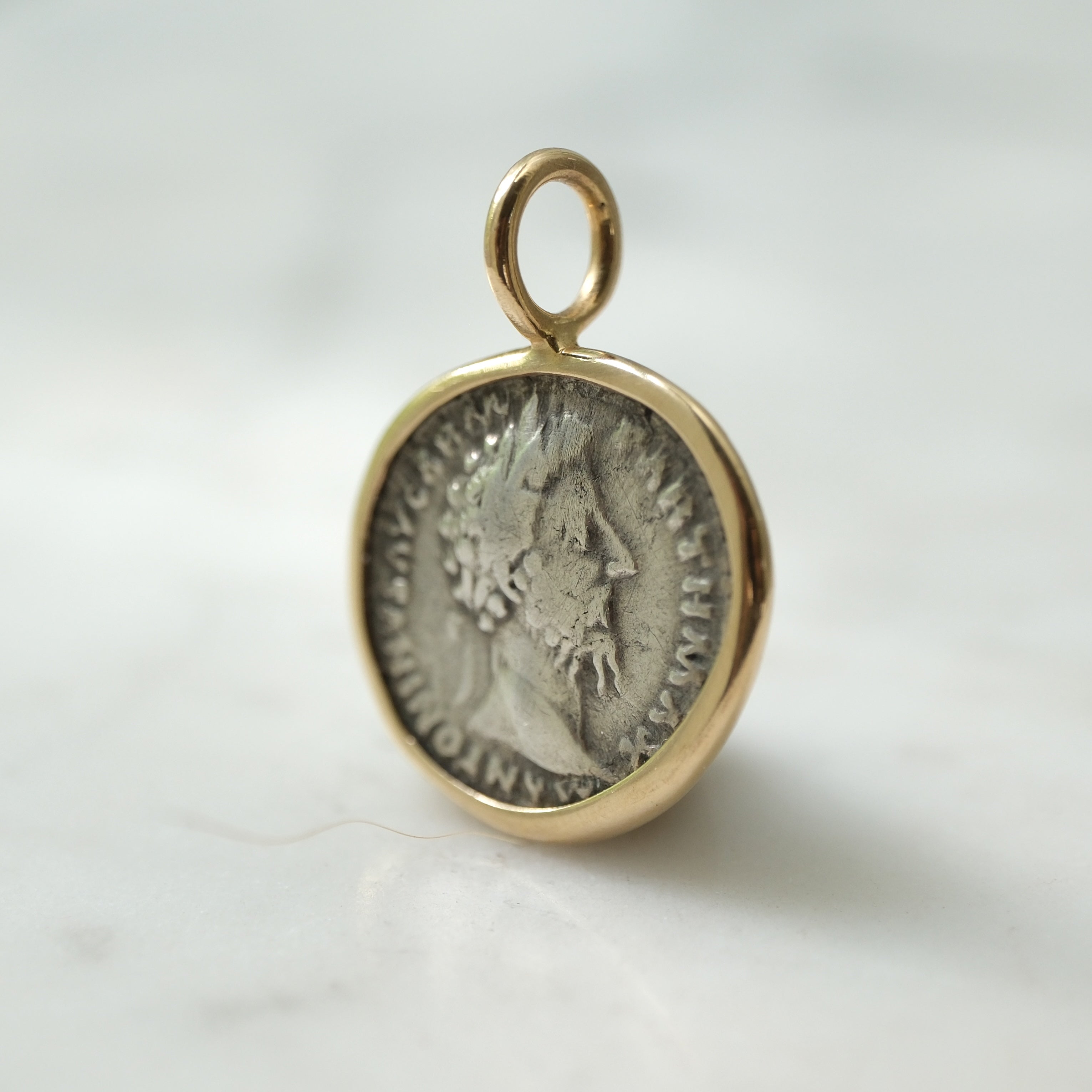
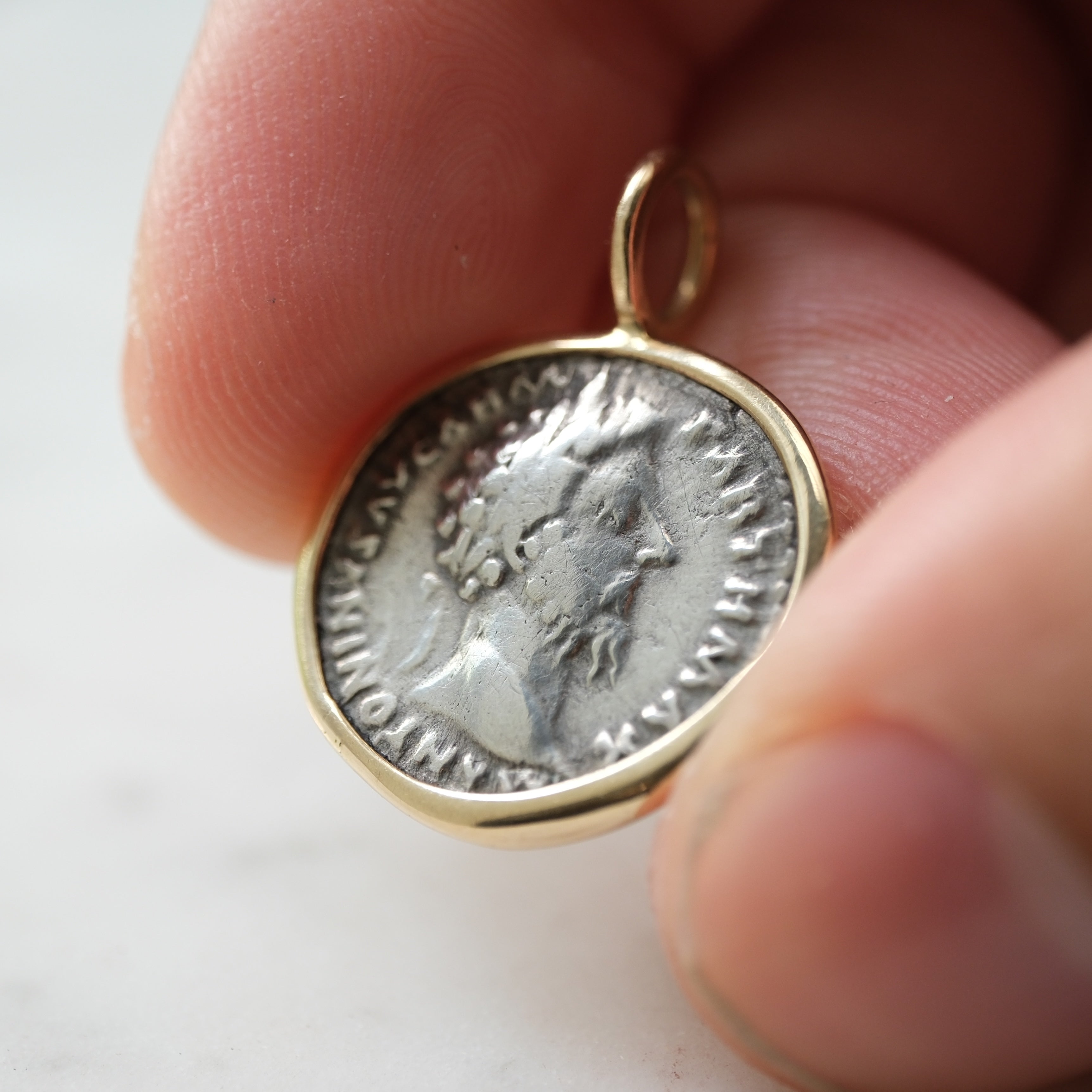
Silver denarius of Marcus Aurelius, struck during his reign from AD 161–180.
As one of the principal silver denominations of the Roman Empire, the denarius circulated widely and served as a key instrument for both commerce and imperial messaging throughout Rome’s territories.
The obverse typically bears the laureate bust of Marcus Aurelius facing right, accompanied by inscriptions listing his imperial titles. His portrait, marked by a full beard and thoughtful expression, reflects the dignified image of a ruler remembered not only for his military leadership but also for his philosophical writings.
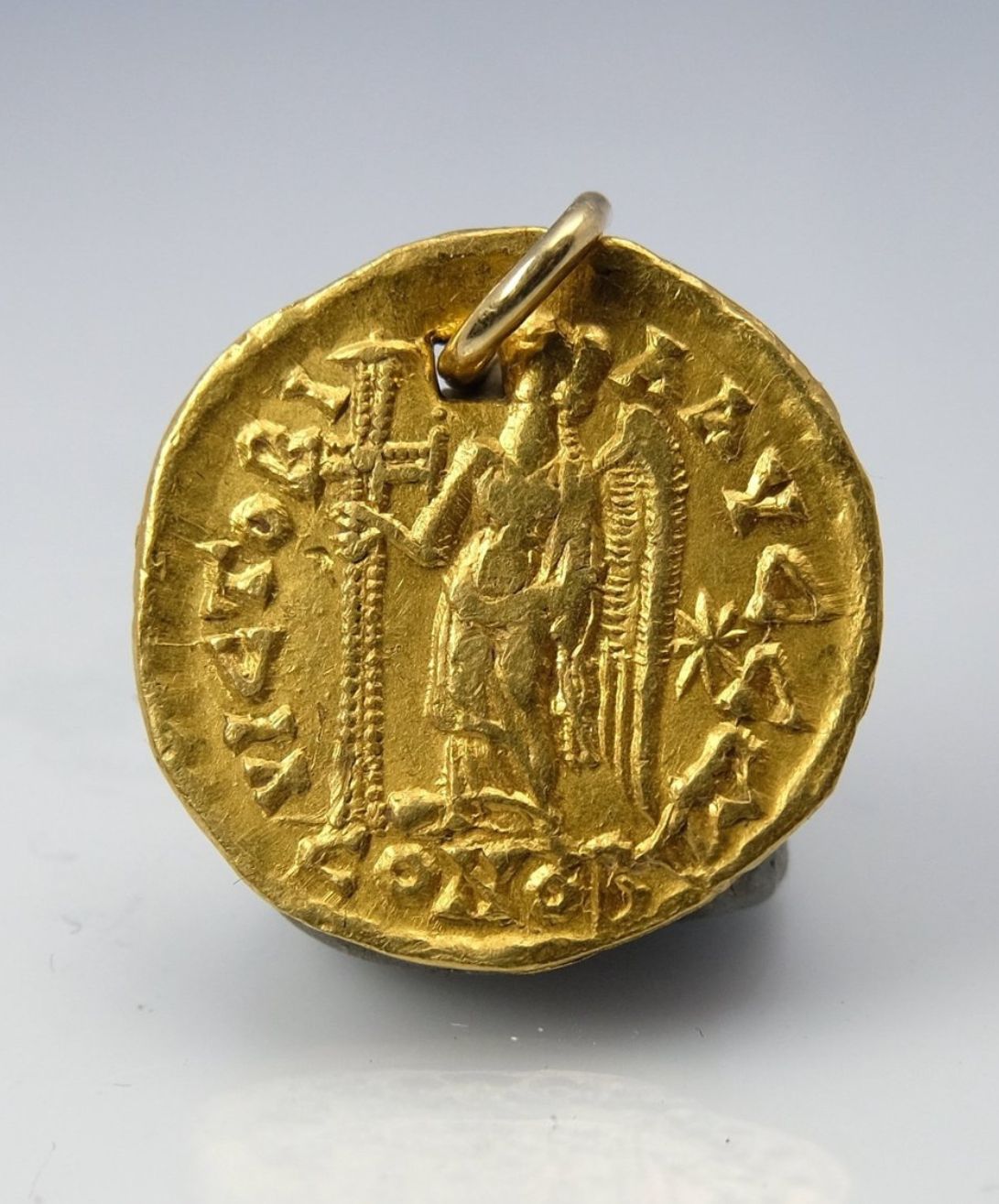
Reverse designs vary widely and often depict personifications such as Victory, Fortuna, or Pax, symbolizing military success, prosperity, and the stability of the empire. Some issues also commemorate campaigns along Rome’s northern frontiers, reinforcing the emperor’s role as protector of the state.
Coins like this denarius circulated across the Roman world, from Britannia to the eastern provinces, carrying both economic value and imperial imagery. Today they remain prized artifacts that reflect the reign of one of Rome’s most respected and intellectually renowned emperors.
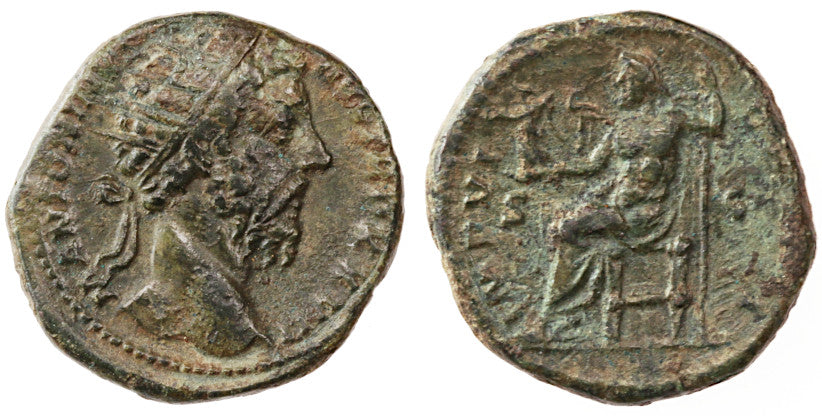
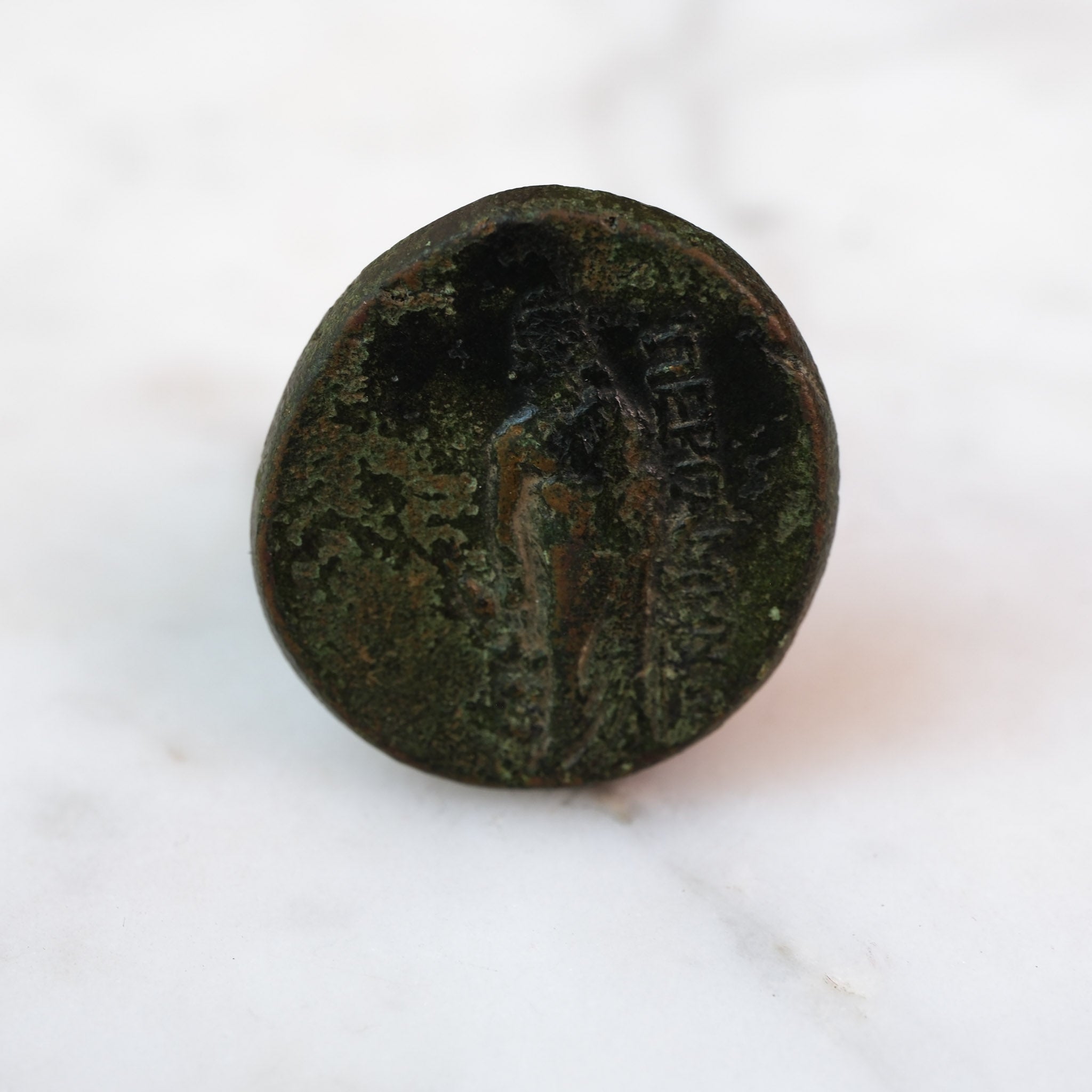
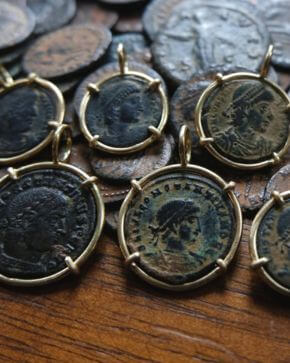
Bronze AE dupondius of Marcus Aurelius, struck in AD 172–173 during the later years of his reign.
This substantial bronze denomination formed an important part of everyday currency in the Roman Empire, circulating widely in markets and cities across the provinces.
The obverse typically features the radiate or laureate bust of Marcus Aurelius facing right, accompanied by inscriptions listing his imperial titles. His portrait, distinguished by a full beard and composed expression, reflects the image of a thoughtful ruler who combined philosophical reflection with the responsibilities of imperial leadership.
Reverse designs often emphasize military success and imperial virtues, themes closely associated with Marcus Aurelius’s campaigns along Rome’s northern frontiers during the Marcomannic Wars. Personifications such as Victory or other symbolic figures reinforce the emperor’s role as protector of the empire and guardian of Roman stability.
Coins like this dupondius circulated widely throughout the Roman world, serving both as everyday currency and as a means of conveying imperial authority. Today, surviving examples provide a tangible connection to the reign of Rome’s famed philosopher-emperor.
Explore Other Emperors
Augustus
The Founder
27 BC – AD 14
Hadrian
The Builder
AD 117 – 138
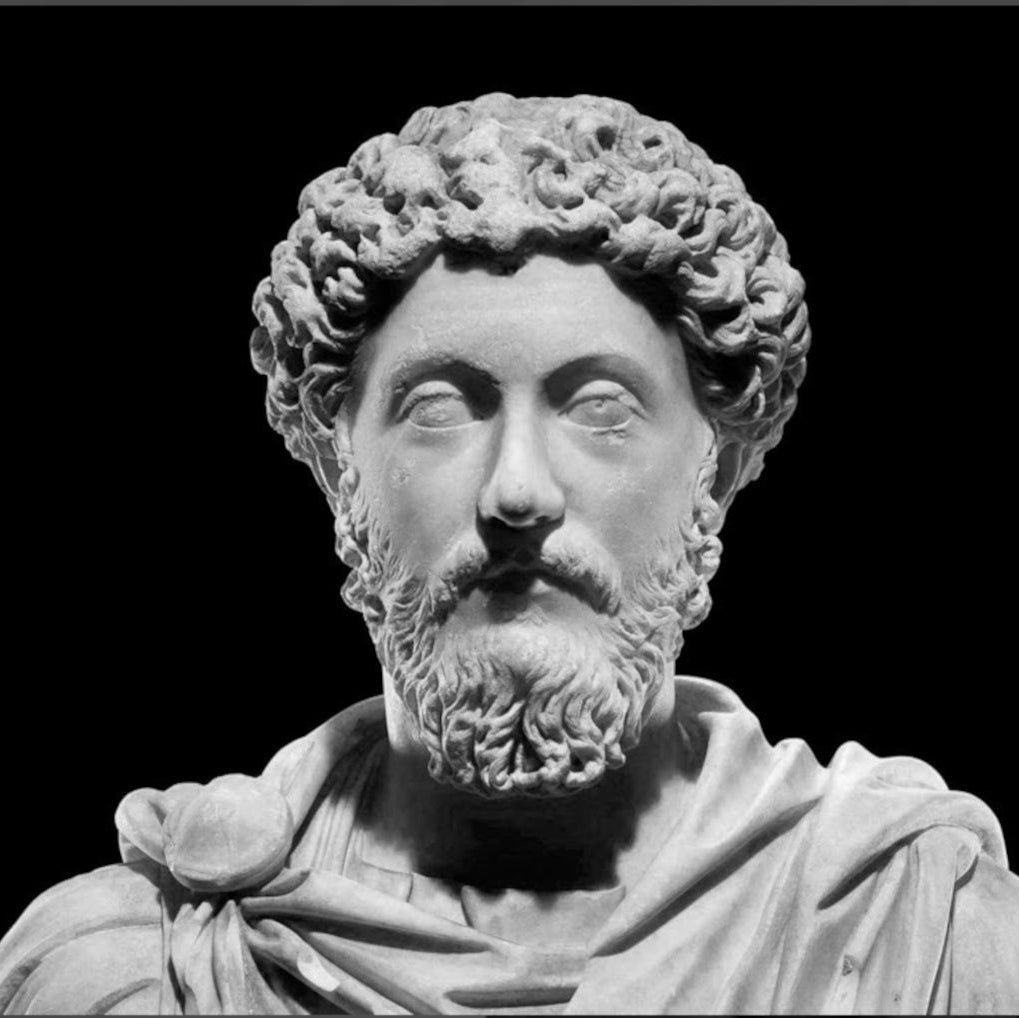
Marcus Aurelius
The Philosopher
AD 161 – 180
Trajan
The Conqueror
AD 98 – 117
FAQs
Are all coins authentic?
Yes — all coins are genuine, not replicas. Fakes are rare because good forgeries take too much effort for low-value coins, and bad ones are easy to spot.
Where are your coins bought?
Mostly from reputable ancient coin auctions in Europe and the USA, plus private collections.
Do you ship internationally?
Yes, we proudly ship worldwide. Shipping options and times vary by country — you’ll see available methods at checkout.
Can I send you my own coin to make a pendant?
Absolutely! We love turning personal coins into wearable pieces. Just email us at info@peregrinependants.com to discuss your custom order.
What if my pendant needs repair?
If your pendant ever needs repair or resizing, contact us — we’re happy to help keep your piece in top shape.
Hear from others
Authentic coins and authentic testimonials.