

The Coinage of Hadrian
Hadrian ruled the Roman Empire during a period of consolidation rather than expansion. His reign reshaped imperial priorities, focusing on strengthening borders, stabilizing administration, and unifying the diverse provinces of the empire. The coins struck during his rule circulated widely across the Roman world, carrying messages of imperial presence, cultural unity, and the prosperity of a stable empire.
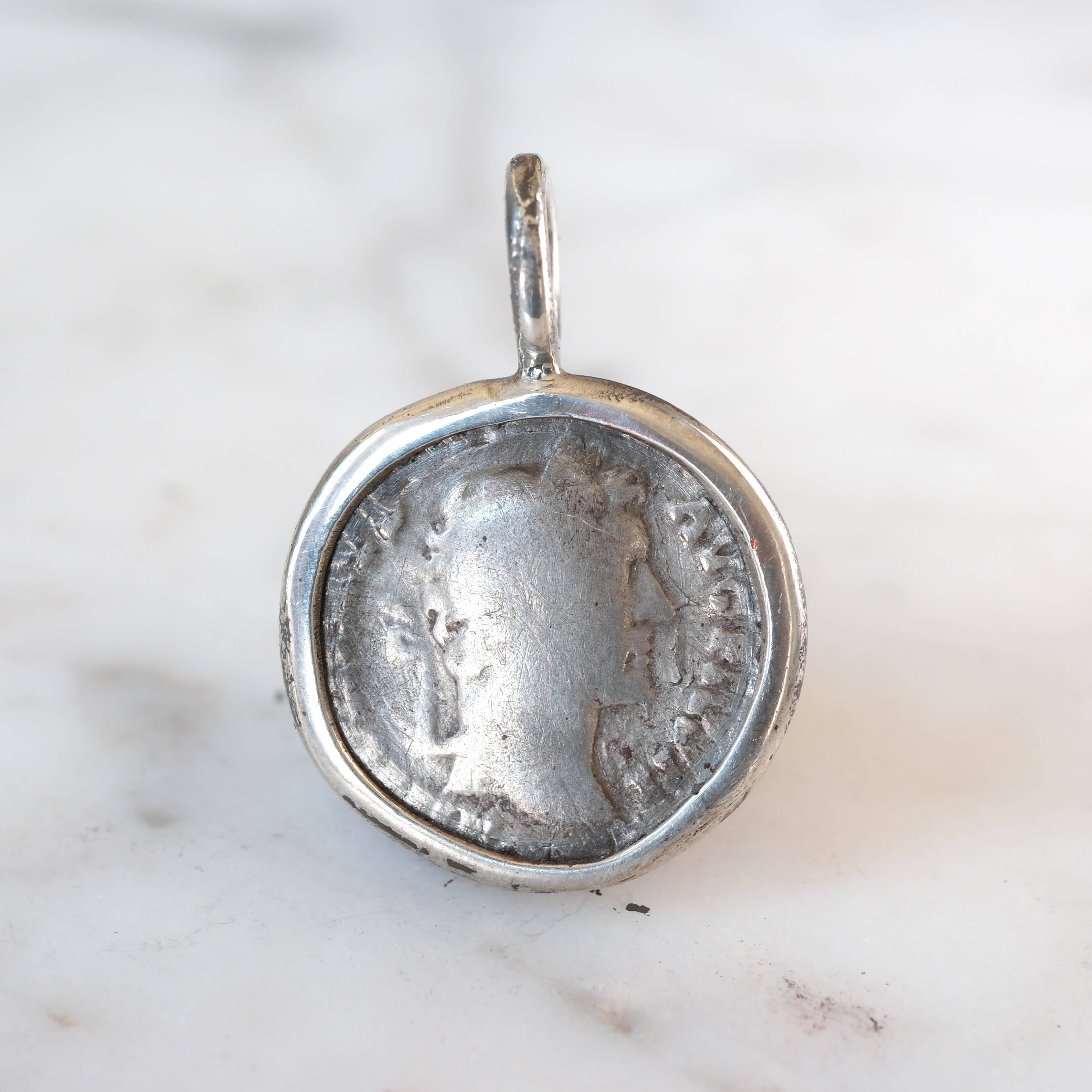
Antoninus Pius Denarius with Clasped Hands in Silver
Symbols of Hadrian`s Reign
The coinage of Hadrian reflected an empire defined by travel, administration, and cultural integration. His issues frequently emphasized imperial authority, stability, and the unity of Rome’s far-flung provinces. Unlike many emperors who rarely left Italy, Hadrian personally visited much of the empire, and this experience shaped the imagery that appeared on his coinage.
Among the most distinctive types of his reign are the “Travel Series” coins, which personified Roman provinces such as Egypt, Hispania, and Africa. These reverses depicted the provinces as symbolic figures, celebrating the diversity of the empire while reinforcing their connection to Roman authority.
Other coins highlighted military preparedness and the stability of imperial frontiers, themes closely associated with projects such as Hadrian's Wall, which marked the northern boundary of Roman Britain. Through such imagery, Hadrian presented himself not as a conqueror, but as a guardian of the empire’s borders and prosperity.
These bronze, silver, and gold coins circulated widely throughout the Roman world, from Britannia to the eastern Mediterranean. In their imagery and inscriptions, the coinage of Hadrian communicated a vision of a vast but unified empire—one maintained through careful governance, cultural respect, and the steady presence of imperial power.
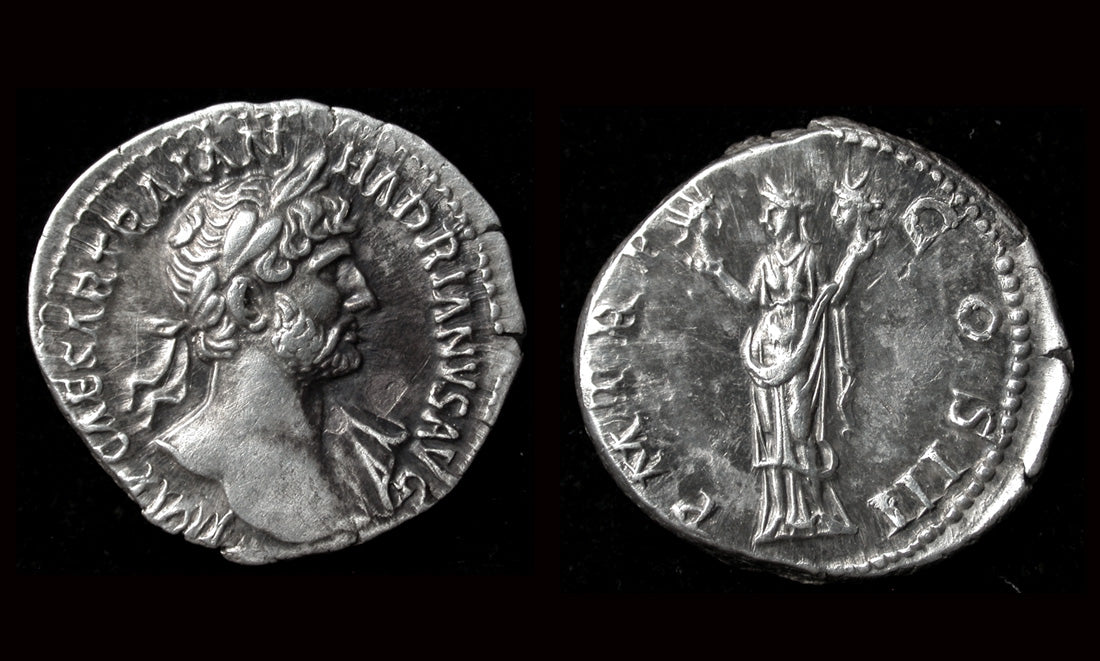
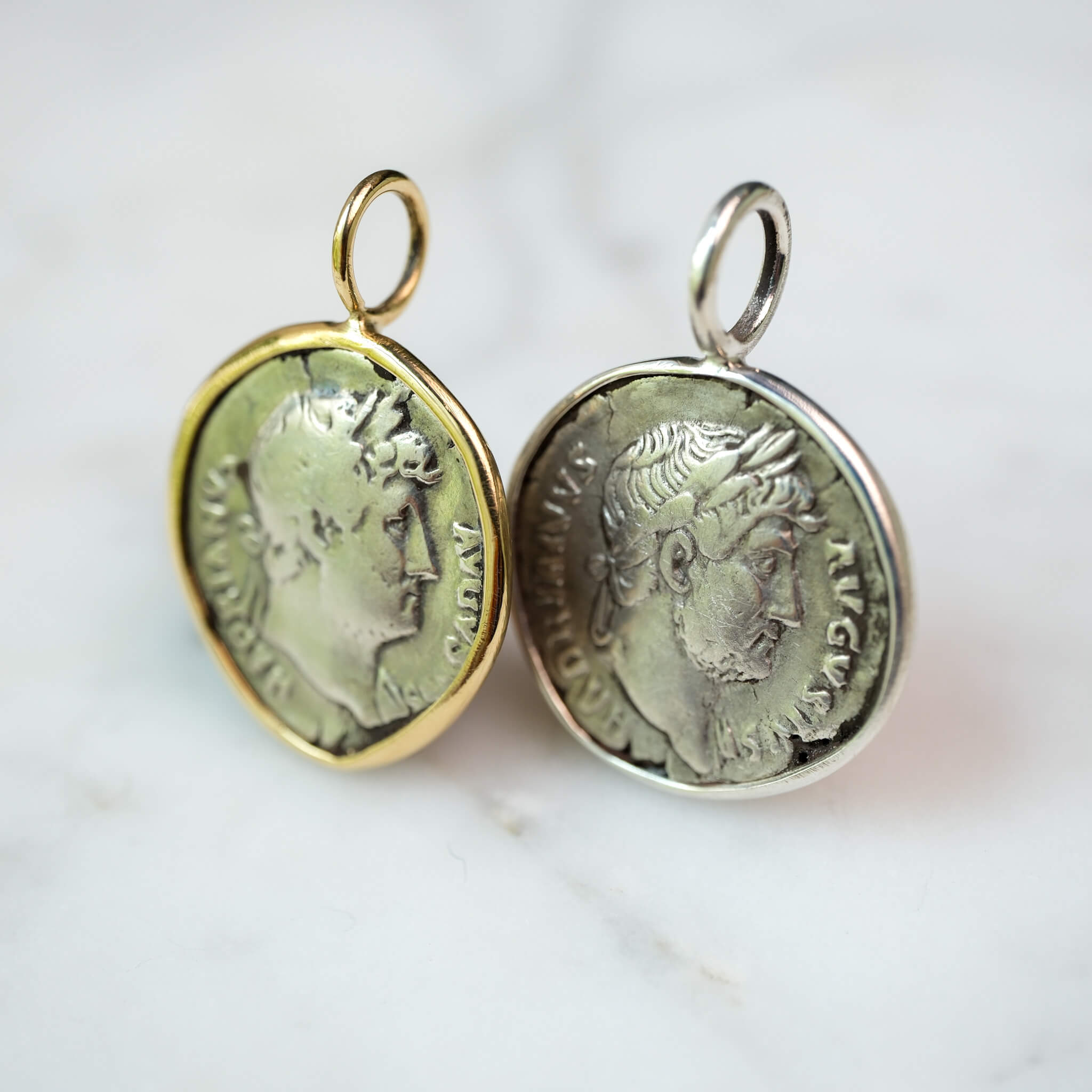
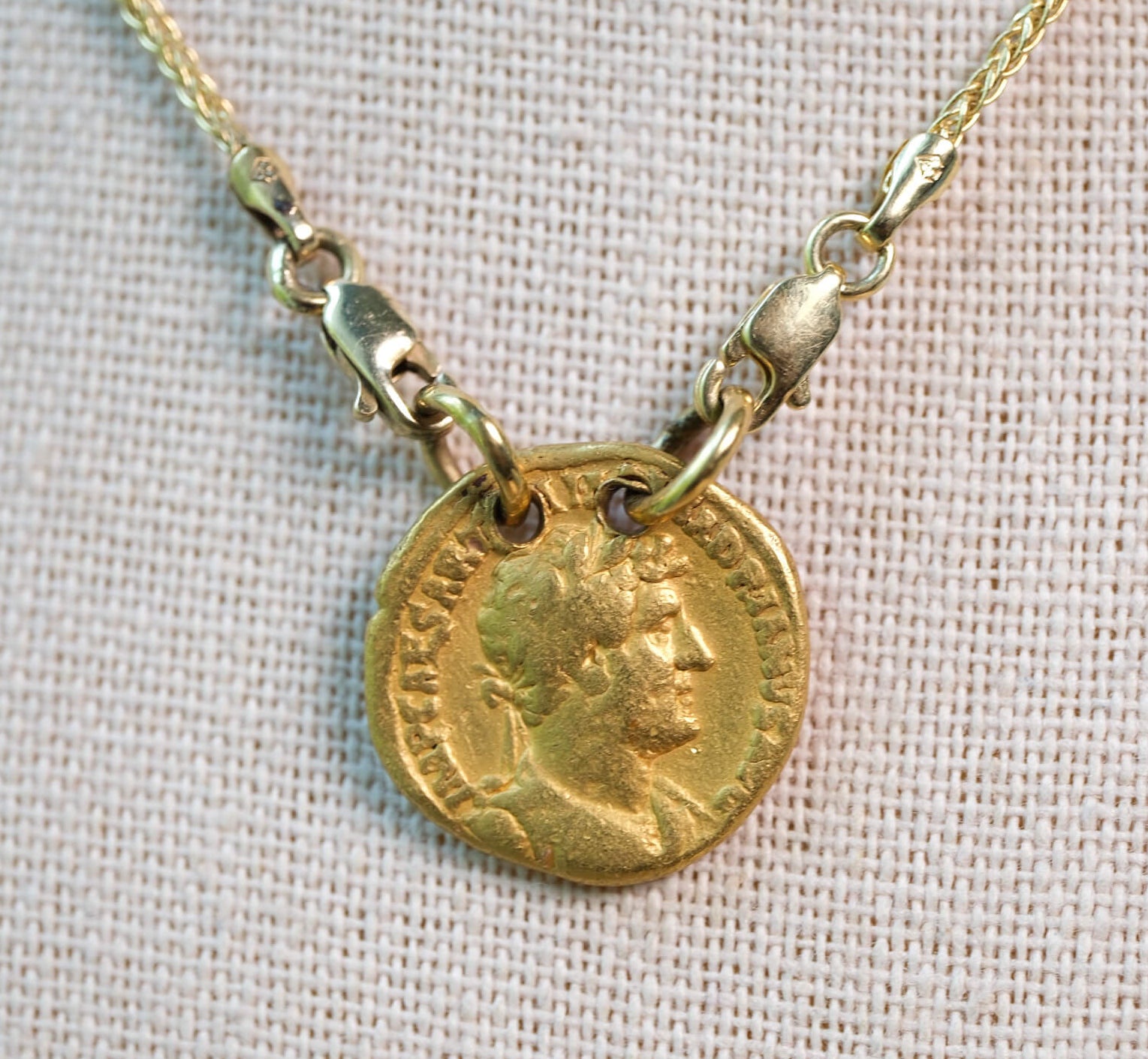
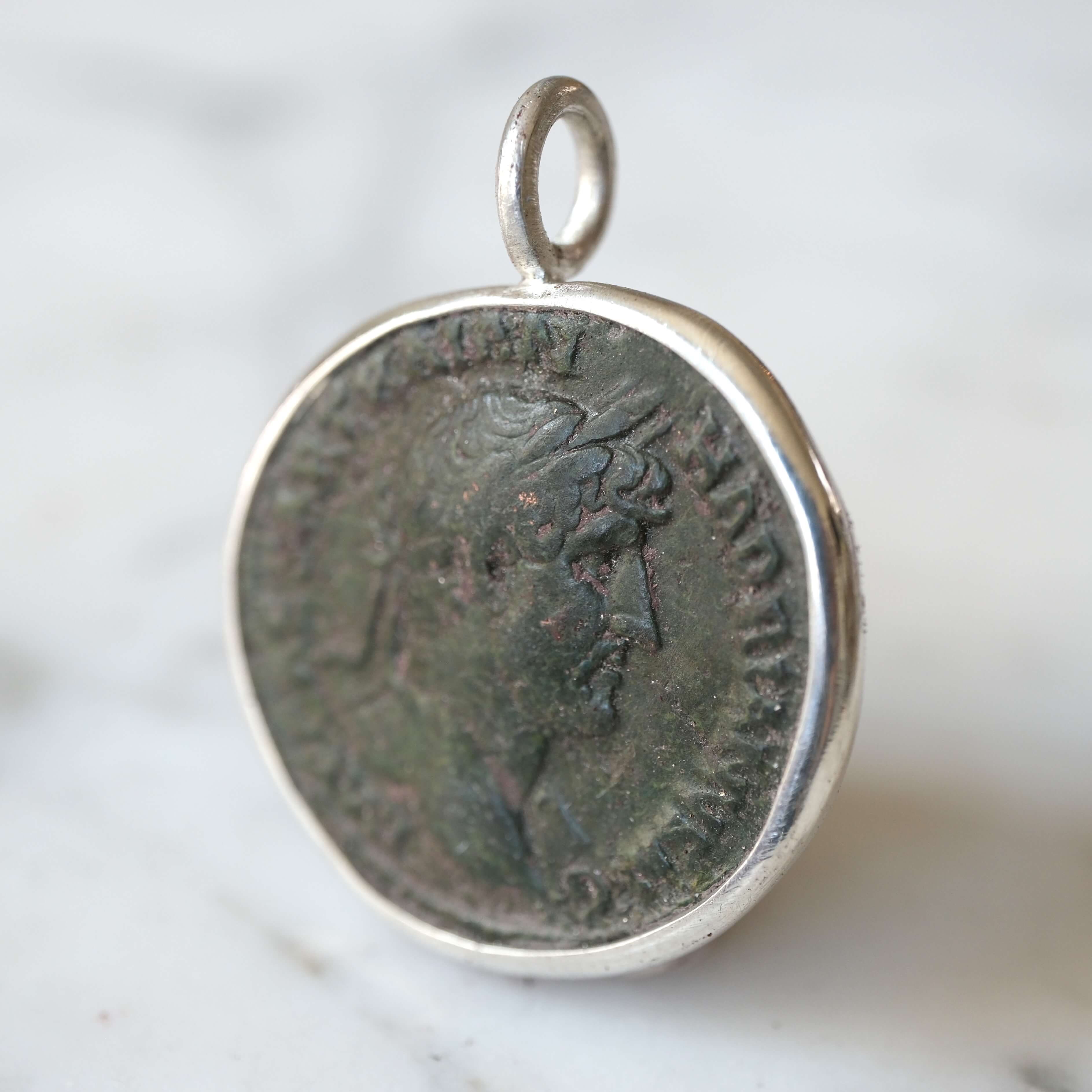
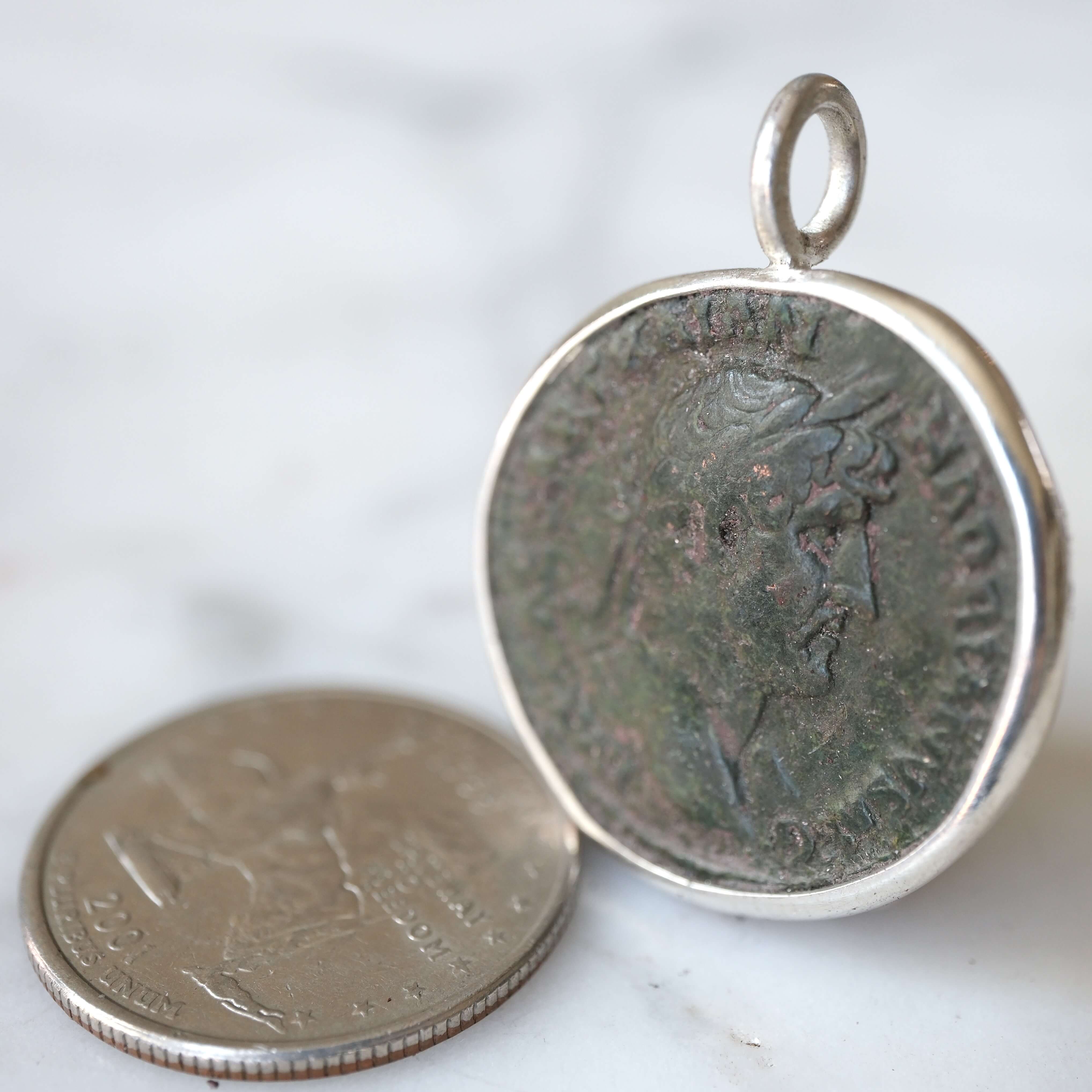
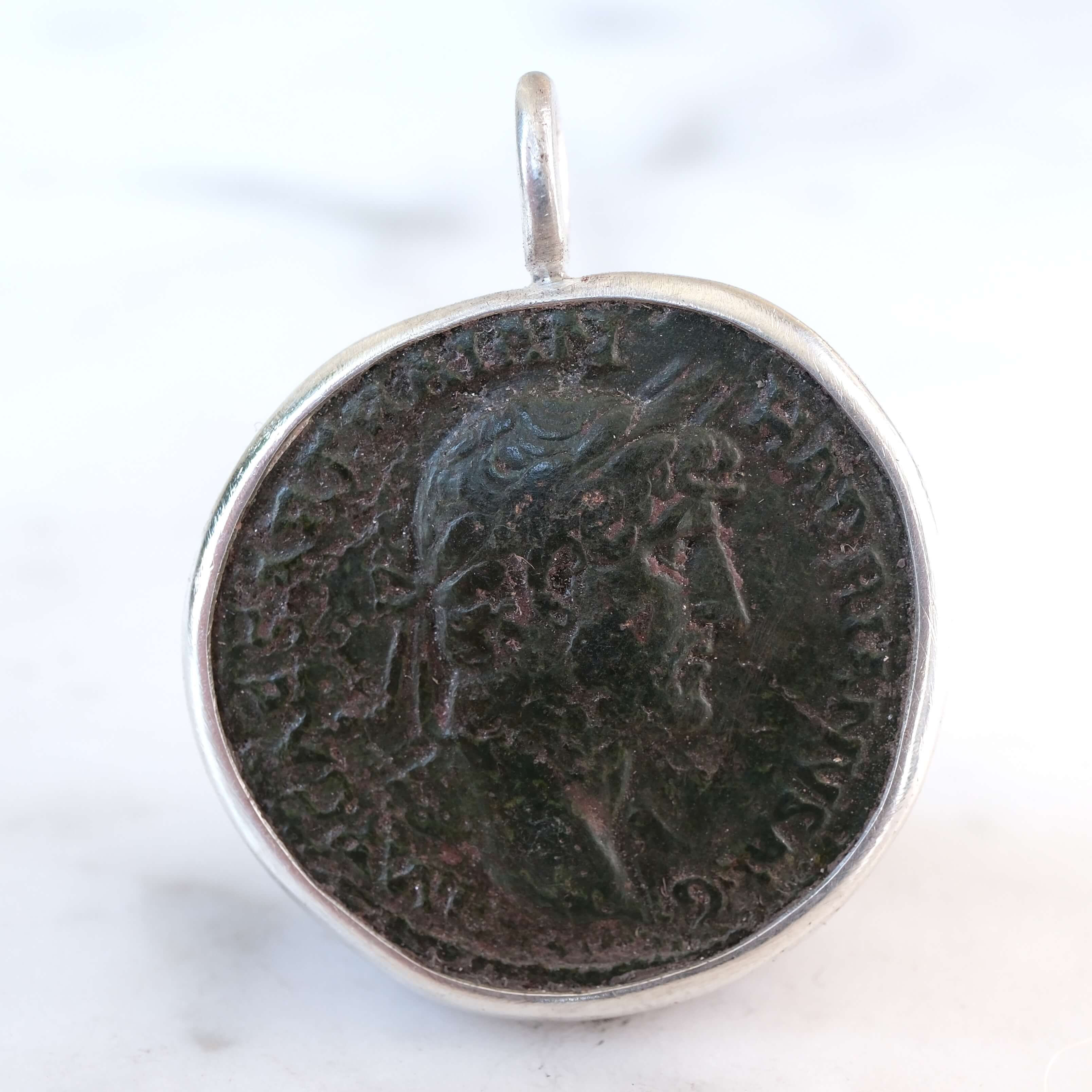
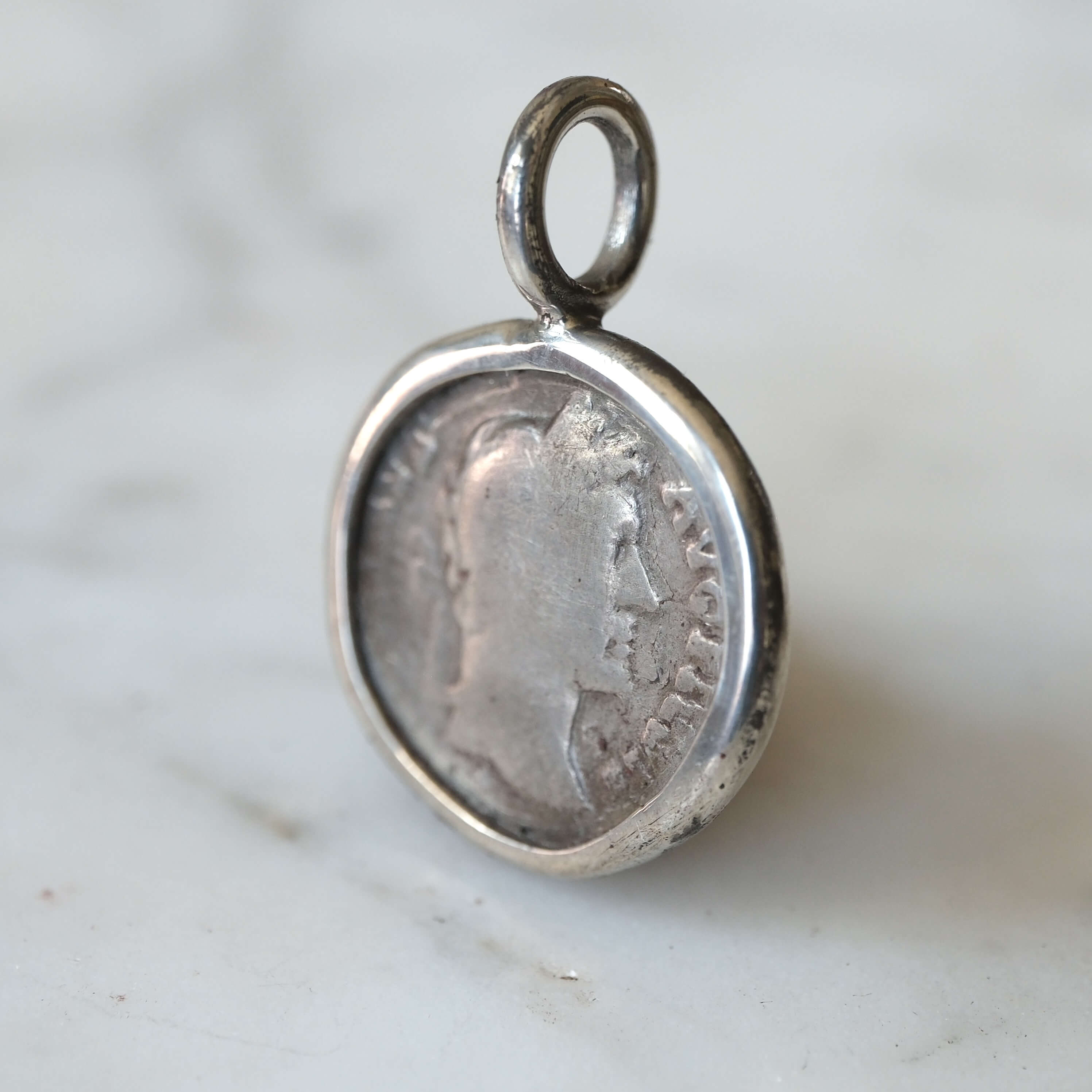
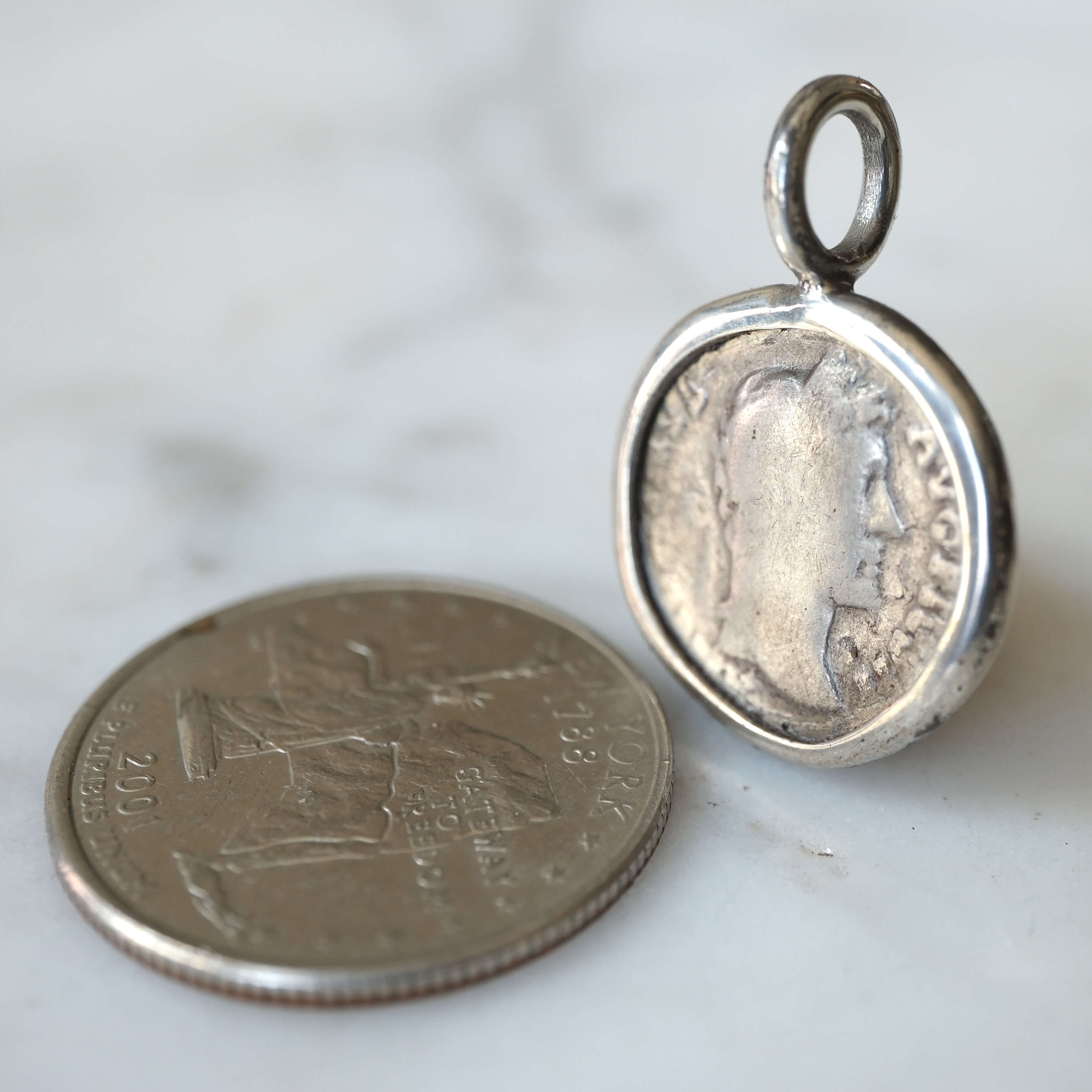
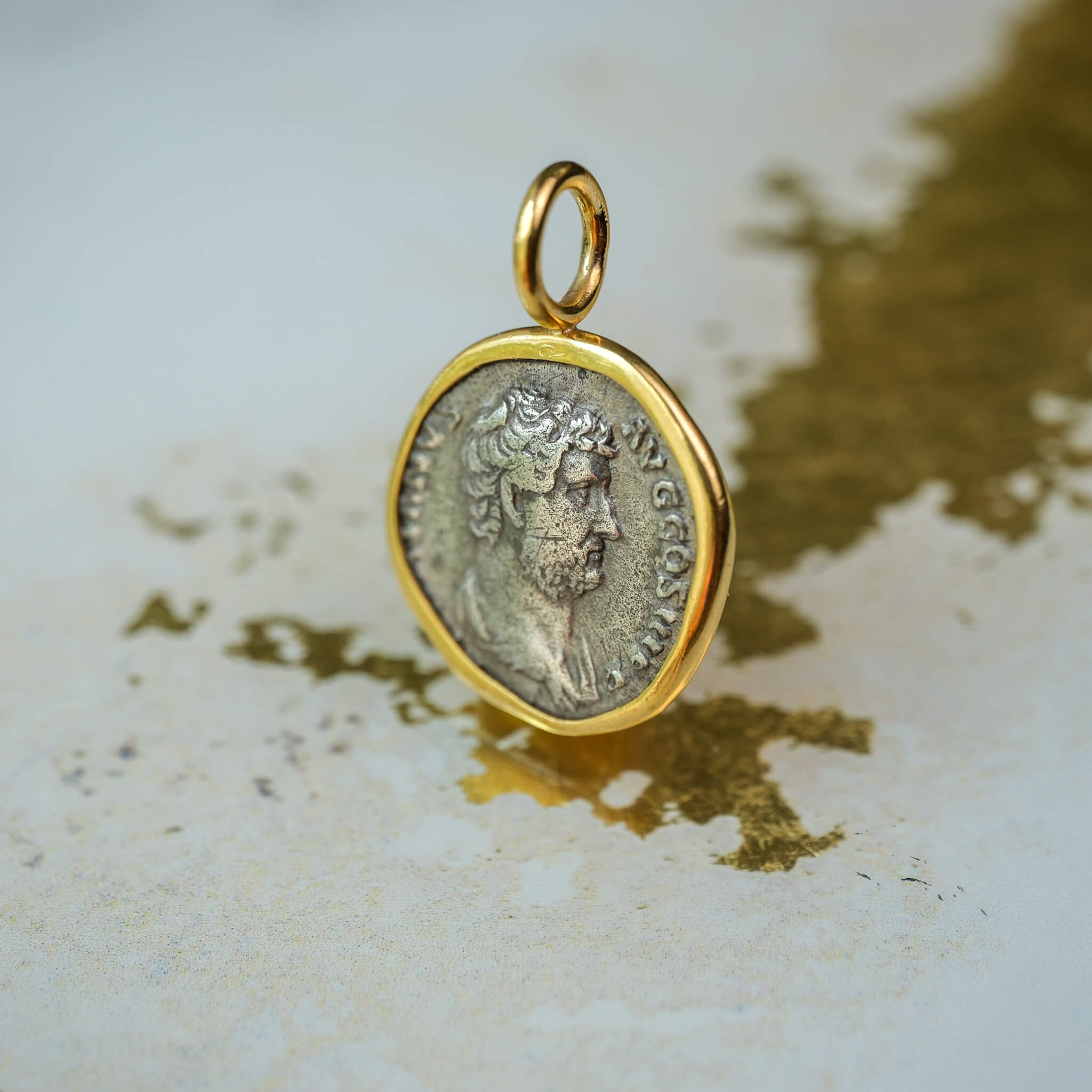
Roman silver denarius of Hadrian, struck during his reign from AD 117–138.
The denarius was the principal silver denomination of the Roman Empire and circulated widely across imperial markets, serving as a reliable medium of exchange throughout the Mediterranean world.
The obverse typically features the laureate portrait of Hadrian accompanied by his imperial titles, presenting the emperor in a dignified and recognizable form to subjects across the empire. His distinctive beard—unusual among earlier Roman emperors—became one of the defining features of his portraiture and reflected strong cultural influences from the Greek East.
Reverse designs on Hadrian’s denarii vary widely, often depicting personifications of Roman virtues, provincial allegories, or symbols of stability and prosperity. These images reinforced the emperor’s message of a well-governed and unified empire, maintained not through constant conquest but through careful administration and secure frontiers.
Denarii such as these circulated from Britannia to the eastern provinces, spreading imperial imagery and messaging throughout the daily economic life of the Roman world.
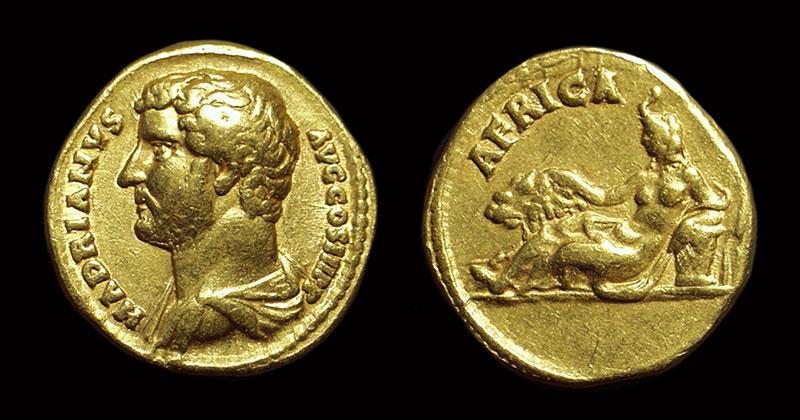
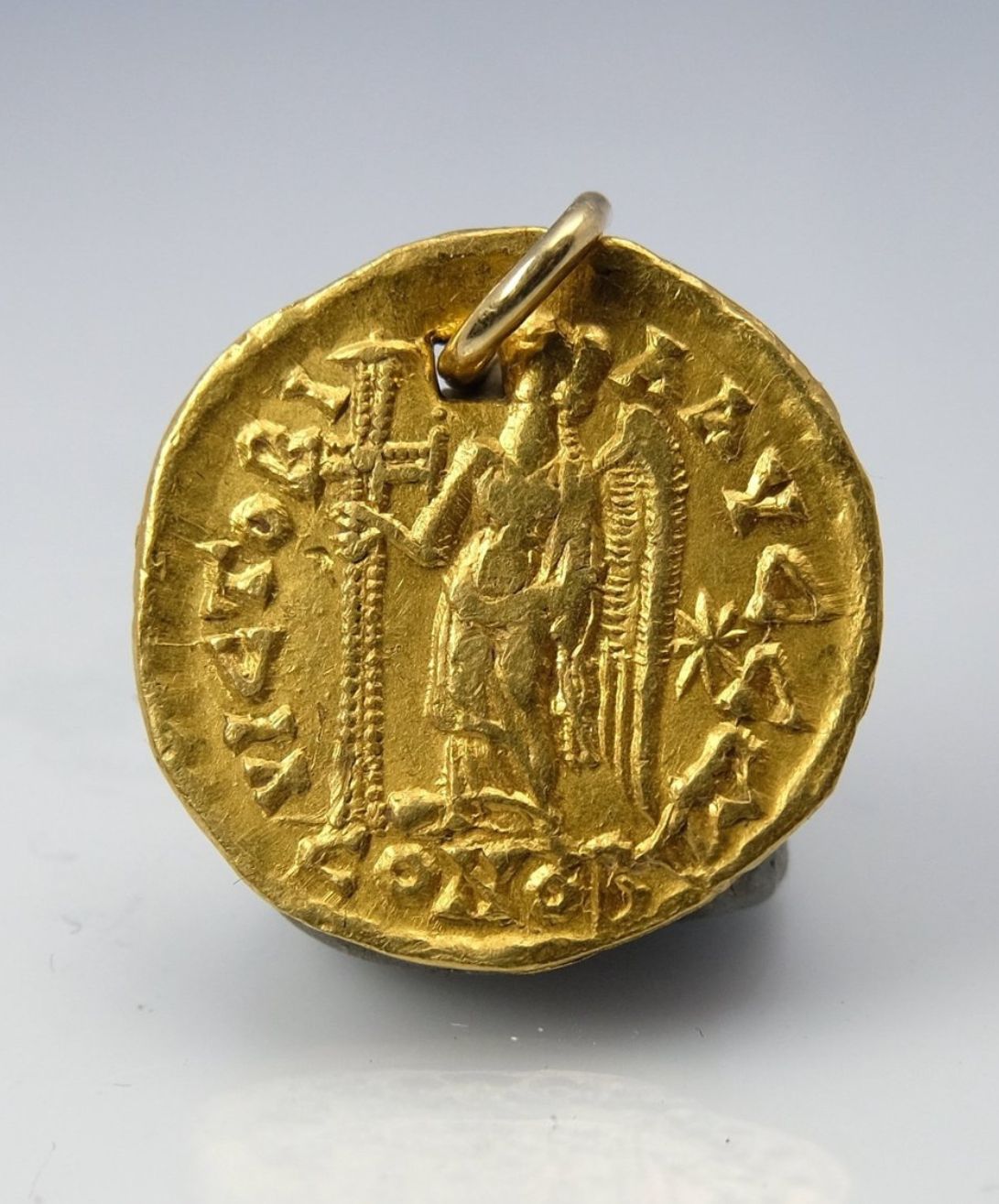
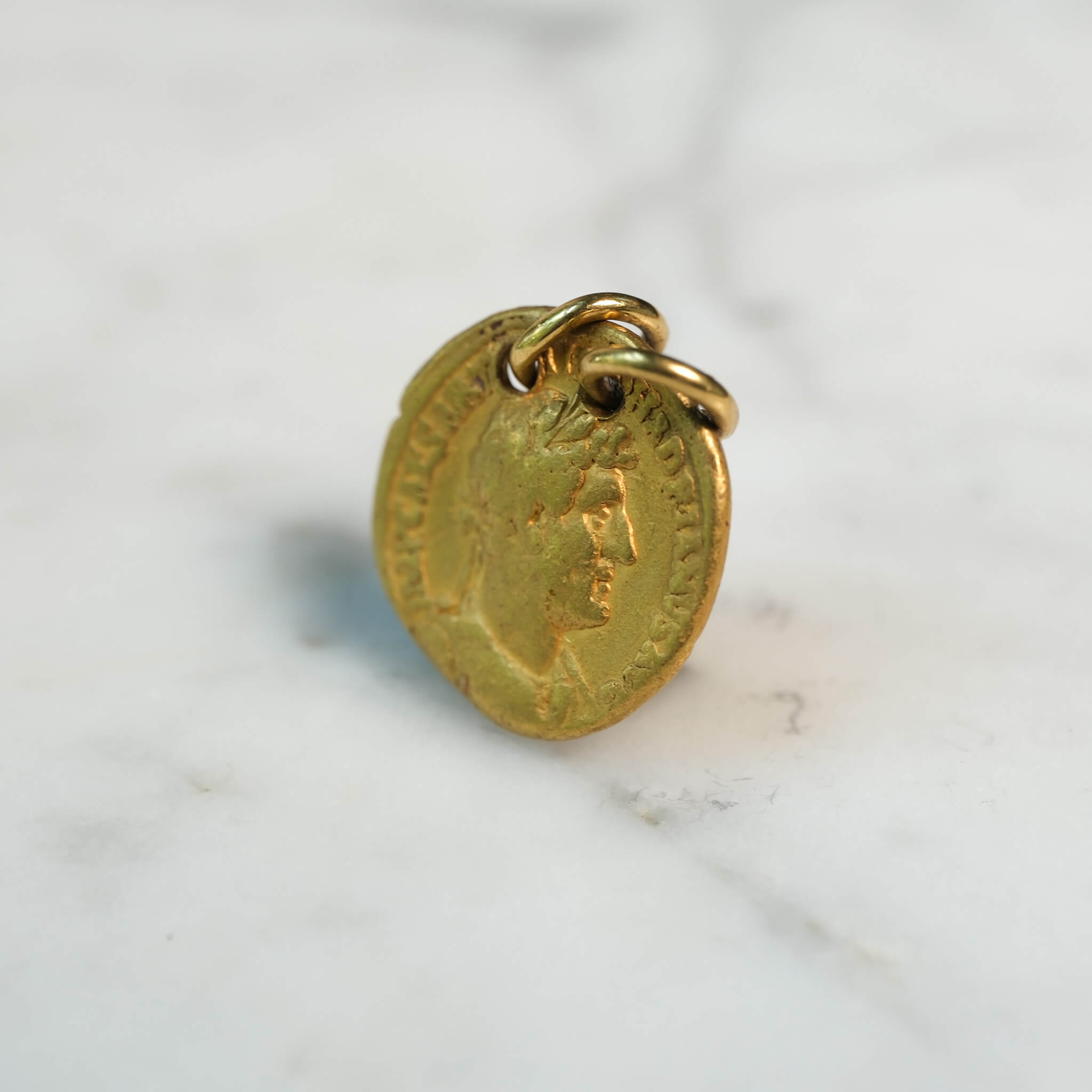
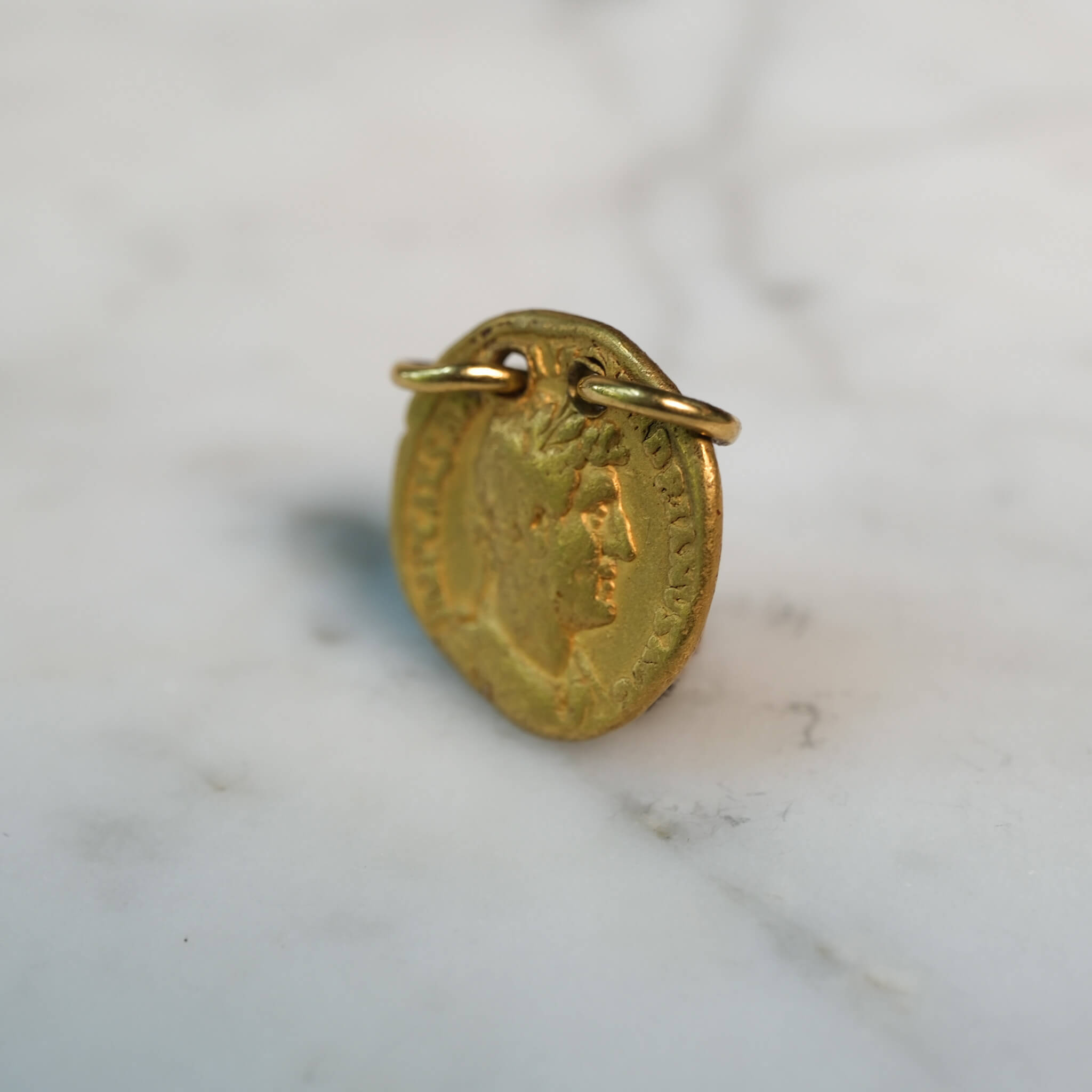
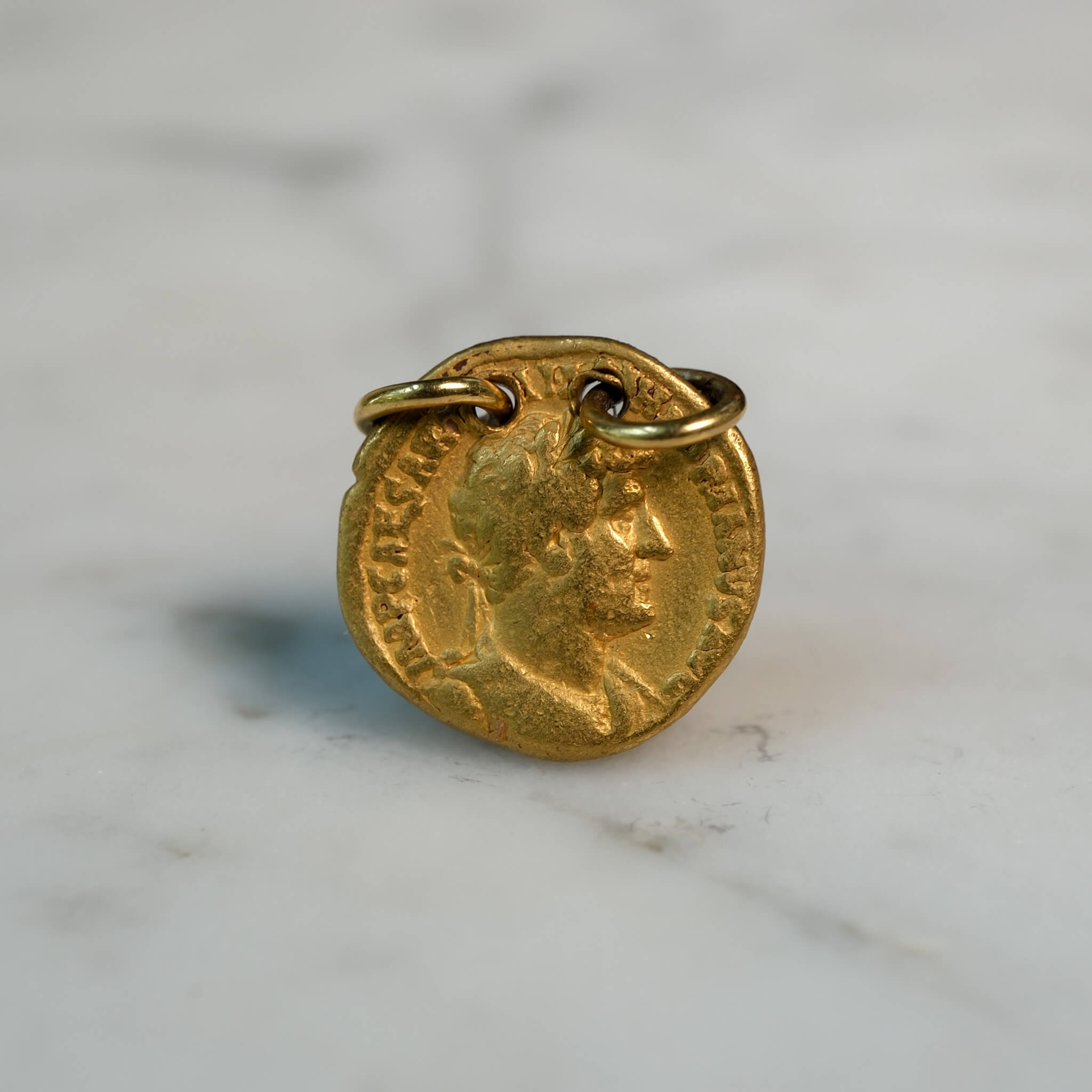
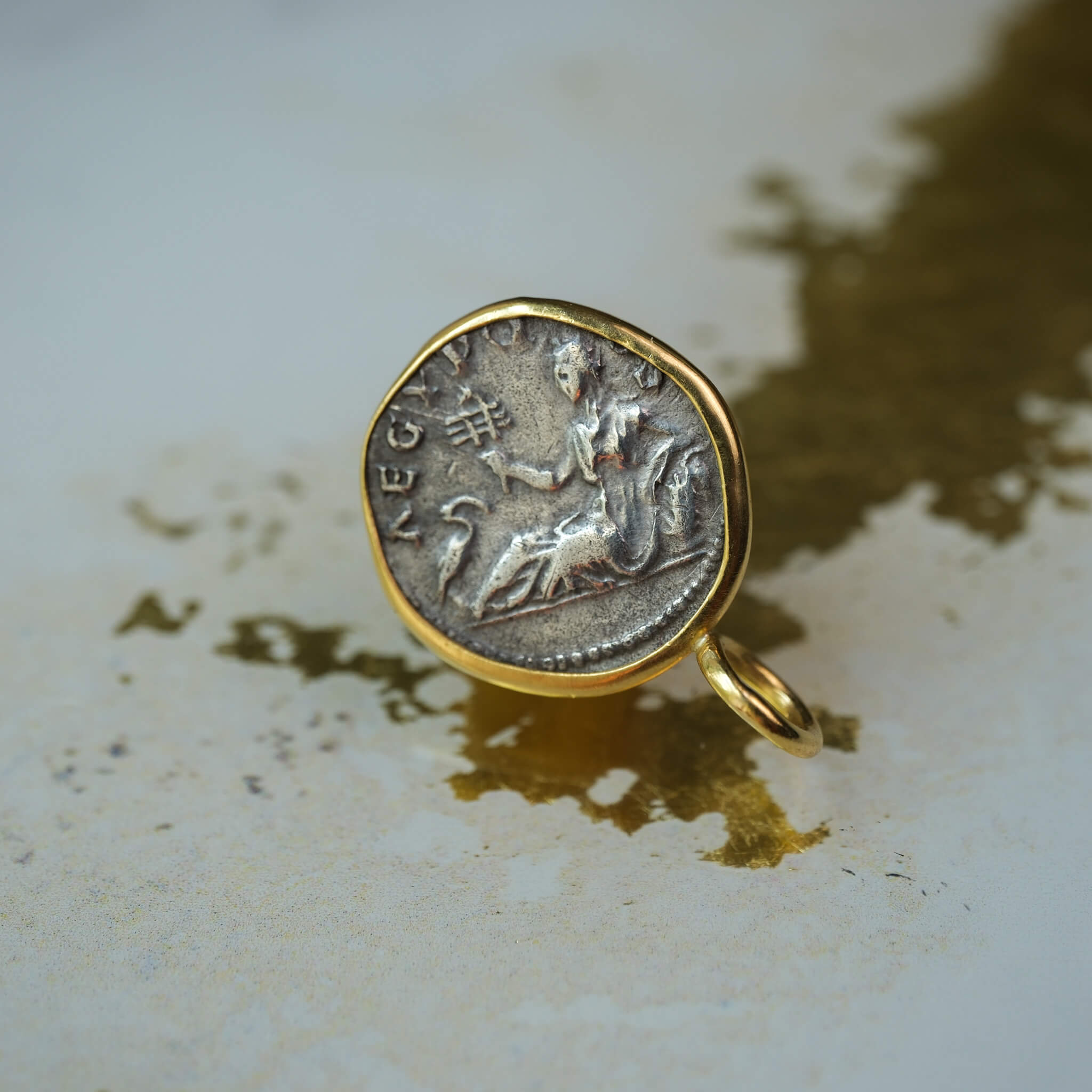
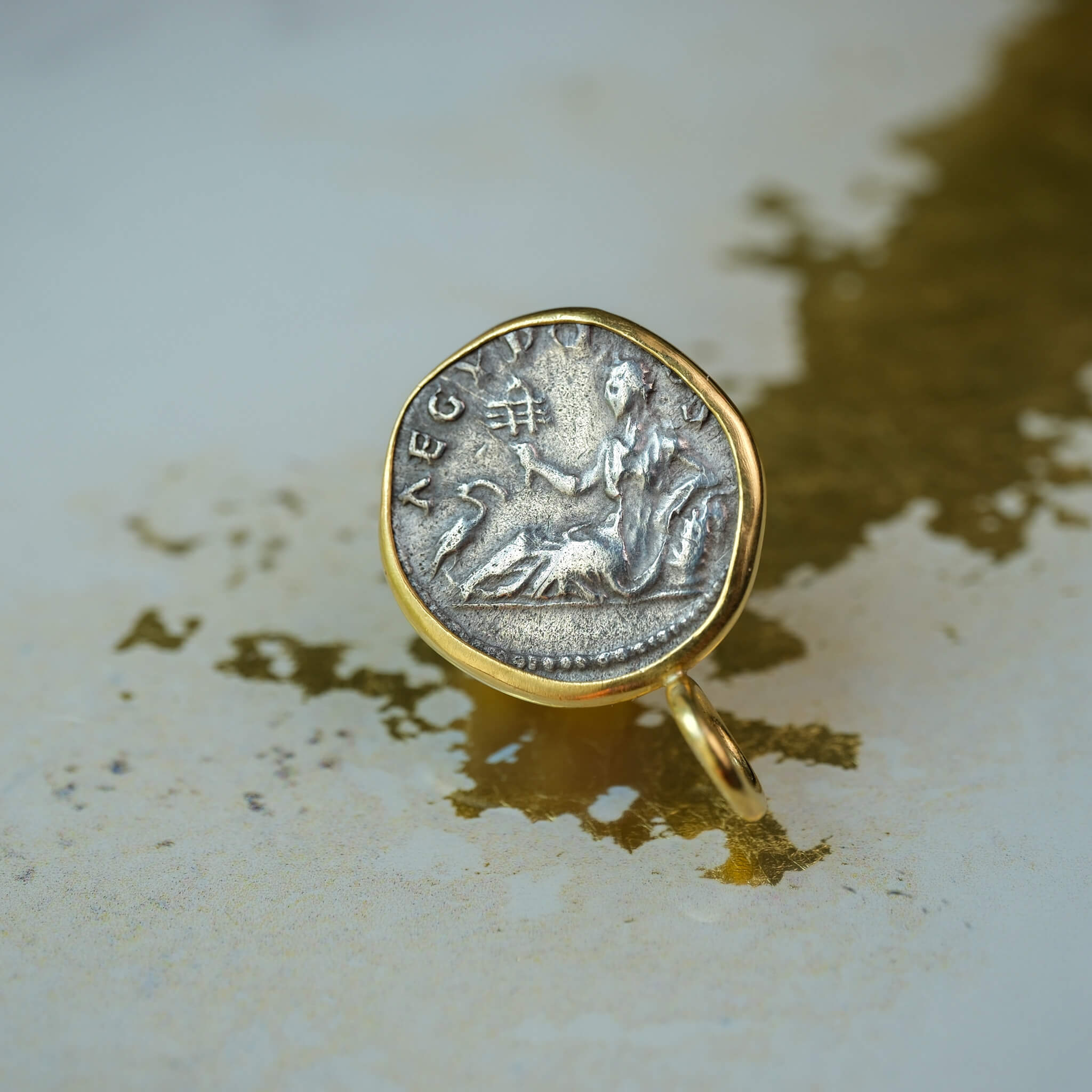
Gold aureus of Hadrian (AD 117–138), from the celebrated Travel Series, depicting the province of Africa.
Struck in gold and weighing approximately 7.12 grams, the aureus represented the highest denomination of regular Roman coinage and was often used for large transactions, military payments, and imperial distributions.
The obverse typically features the laureate portrait of Hadrian with his imperial titles, presenting the emperor in a refined and authoritative style. On the reverse, the personification of Africa appears as a female figure, often shown reclining or standing with attributes such as a lion, elephant-skin headdress, or agricultural symbols—imagery meant to evoke the region’s wealth and distinctive character.
Coins from Hadrian’s Travel Series commemorated the emperor’s extensive journeys throughout the empire. By depicting provinces as symbolic figures, these issues celebrated the diversity of Roman territories while reinforcing their unity under imperial rule.
Such coins circulated among the highest levels of Roman society, serving both as valuable currency and as miniature works of imperial propaganda that reflected Hadrian’s vision of a vast, interconnected empire.
Explore Other Emperors
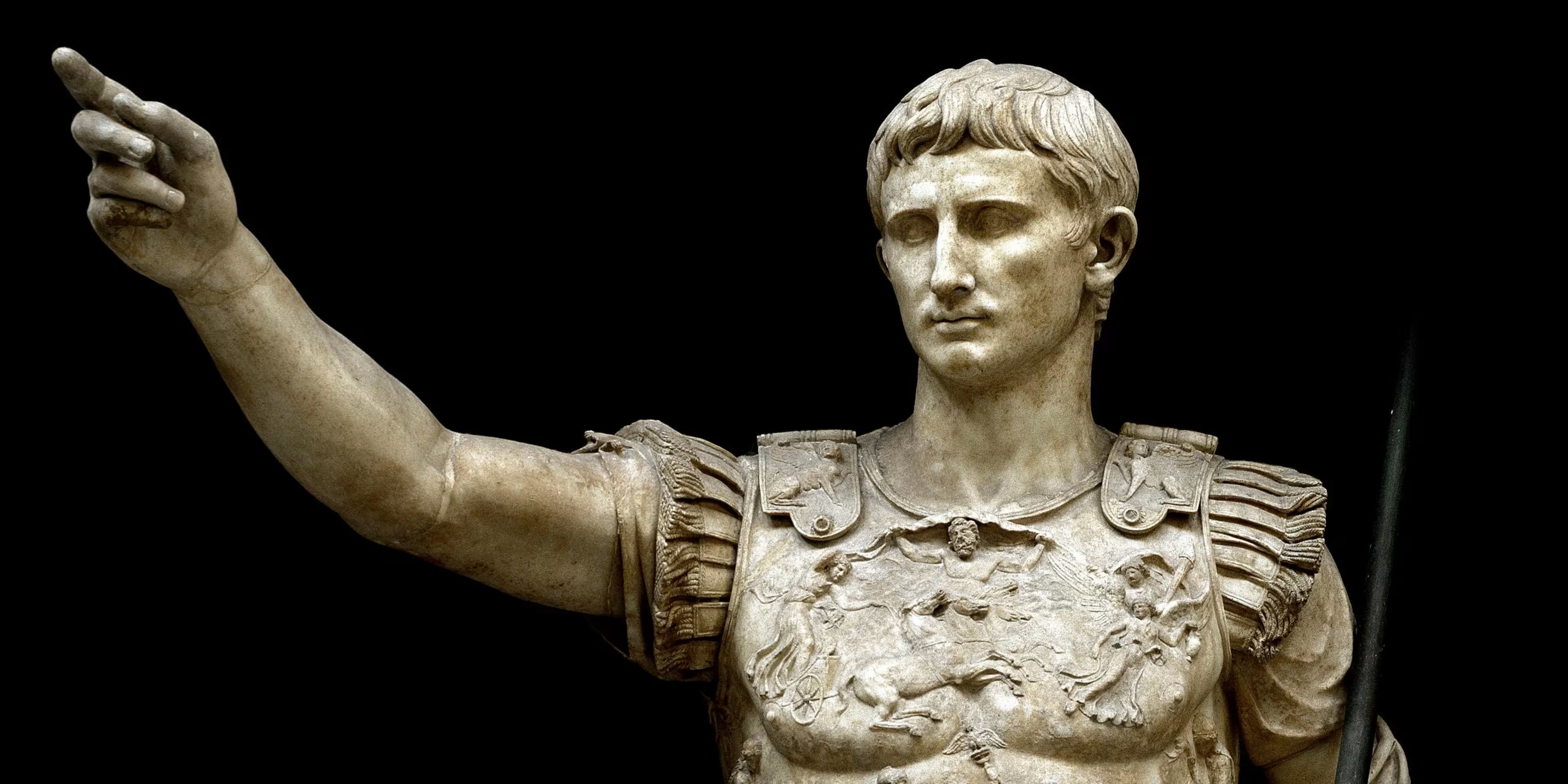
Augustus
The Founder
27 BC – AD 14
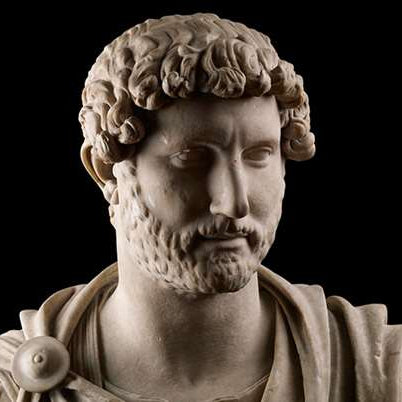
Hadrian
The Builder
AD 117 – 138
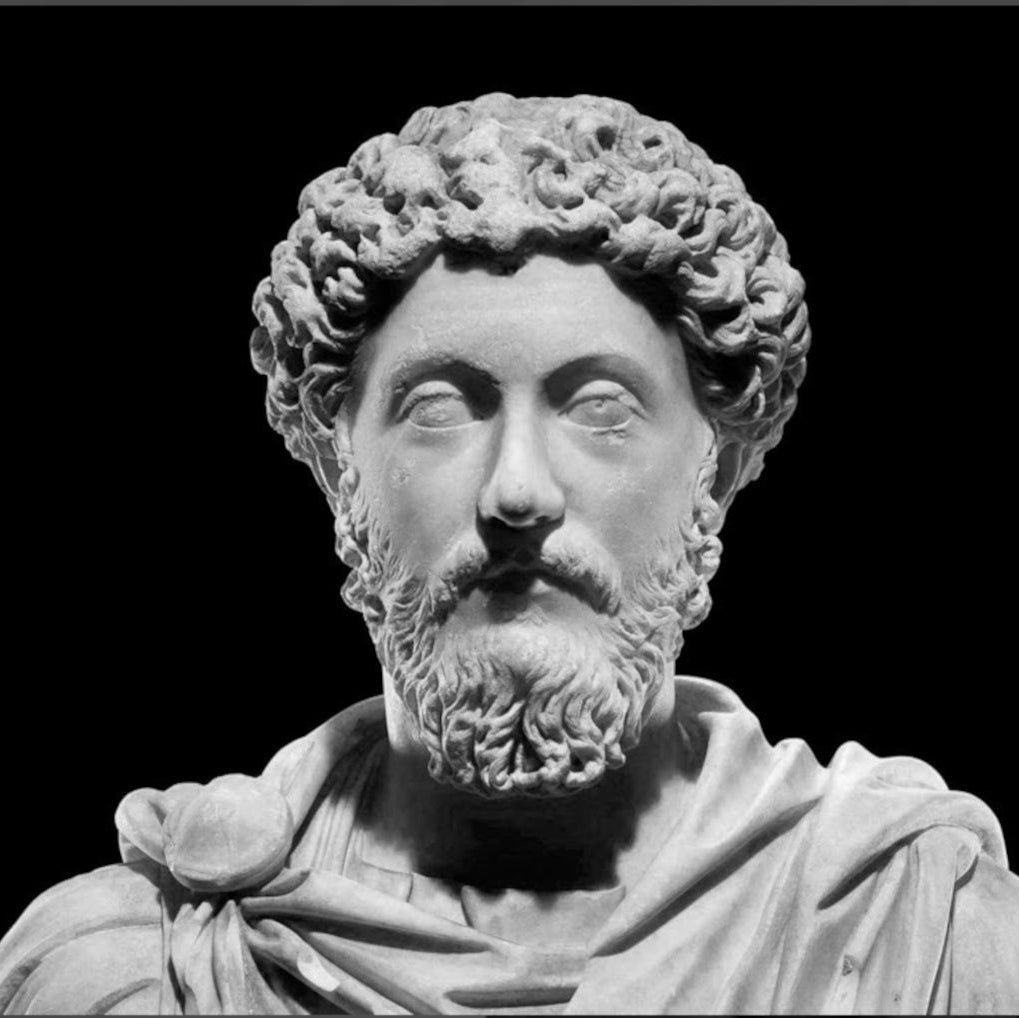
Marcus Aurelius
The Philosopher
AD 161 – 180
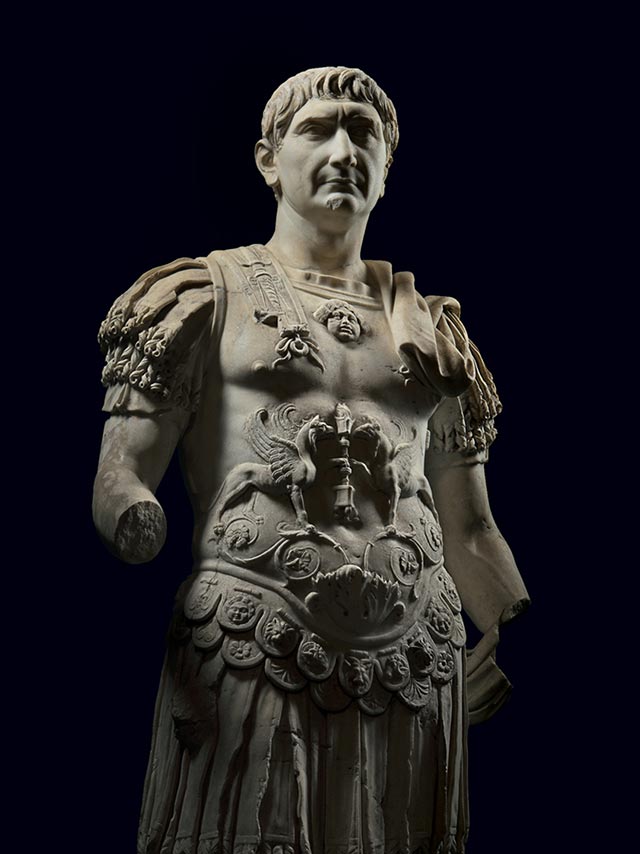
Trajan
The Conqueror
AD 98 – 117
FAQs
Are all coins authentic?
Yes — all coins are genuine, not replicas. Fakes are rare because good forgeries take too much effort for low-value coins, and bad ones are easy to spot.
Where are your coins bought?
Mostly from reputable ancient coin auctions in Europe and the USA, plus private collections.
Do you ship internationally?
Yes, we proudly ship worldwide. Shipping options and times vary by country — you’ll see available methods at checkout.
Can I send you my own coin to make a pendant?
Absolutely! We love turning personal coins into wearable pieces. Just email us at info@peregrinependants.com to discuss your custom order.
What if my pendant needs repair?
If your pendant ever needs repair or resizing, contact us — we’re happy to help keep your piece in top shape.
Hear from others
Authentic coins and authentic testimonials.