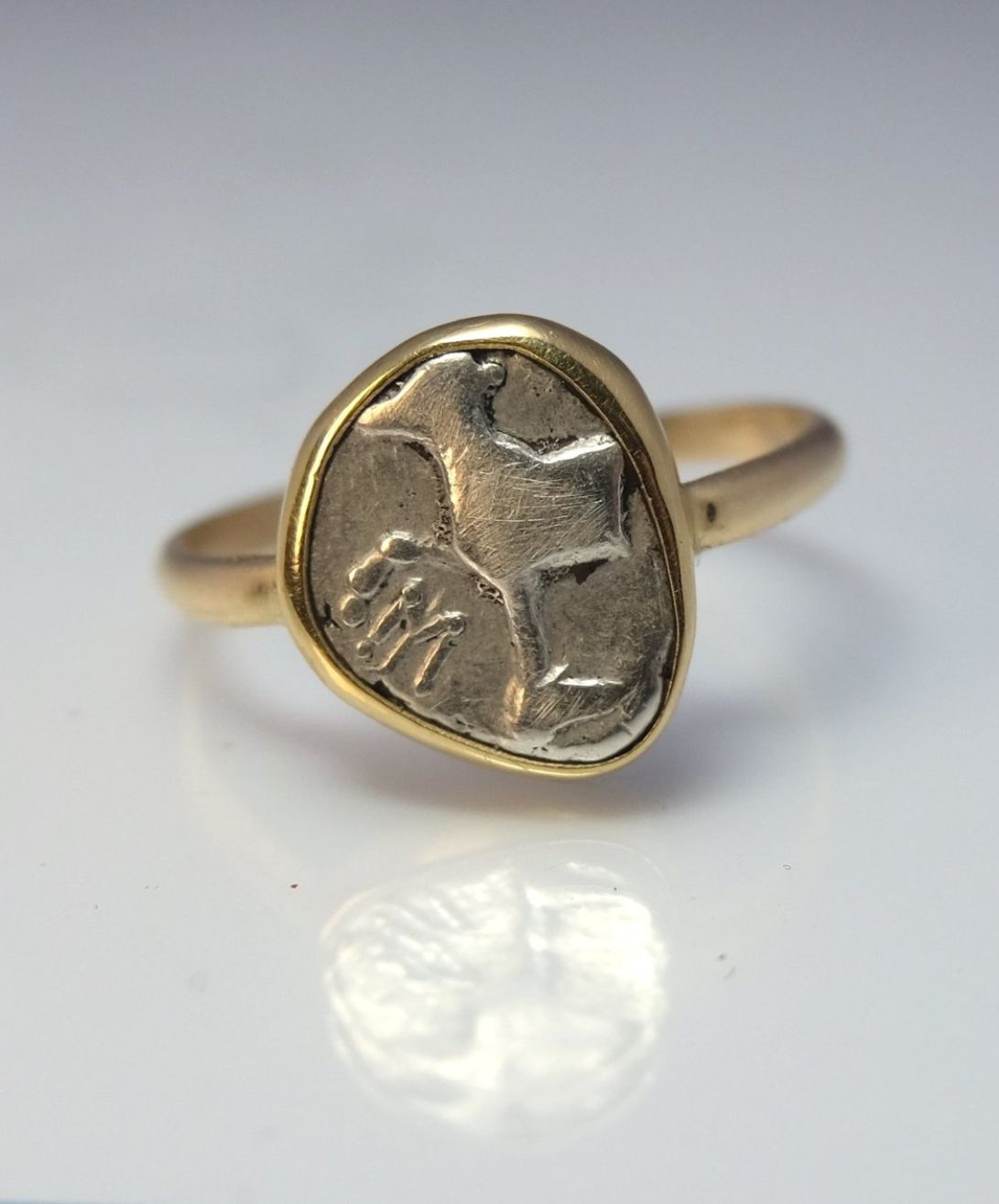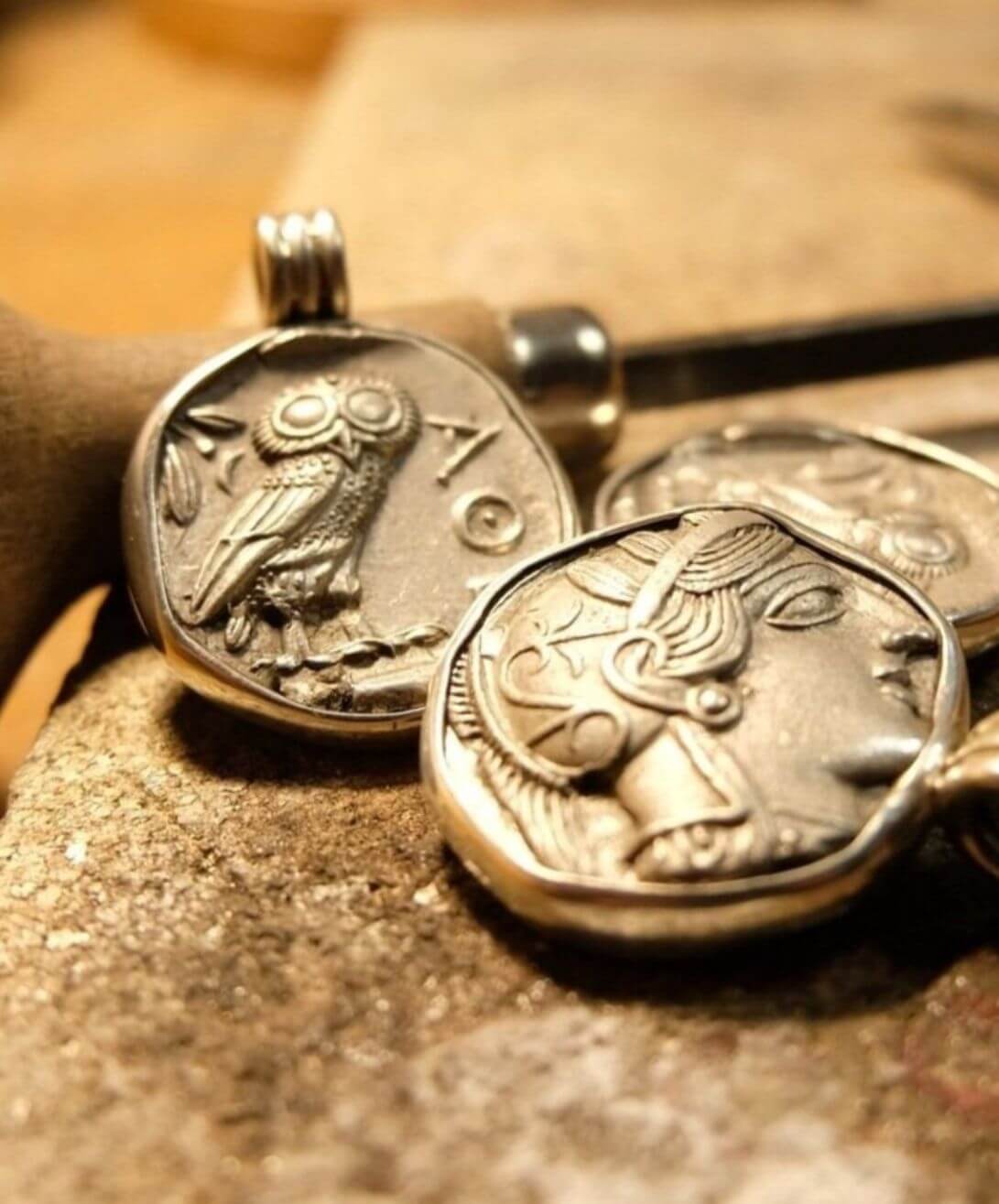


The Coinage of Constantine
Constantine ruled the Roman Empire during one of its most transformative periods.
His reign reshaped imperial power and marked the empire’s gradual embrace of Christianity.
The coins struck during his rule circulated across the Roman world, carrying
messages of victory, stability, and divine favor.


Symbols of Constantine’s Reign
The coinage of Constantine reflected a changing Roman world. His issues frequently emphasized imperial authority, military victory, and divine protection.
Among the most significant symbols associated with Constantine is the Chi-Rho, a monogram of Christ formed from the first two Greek letters of the name. According to tradition, Constantine adopted this symbol after the Battle of the Milvian Bridge in AD 312, when he claimed to have seen a divine sign promising victory.
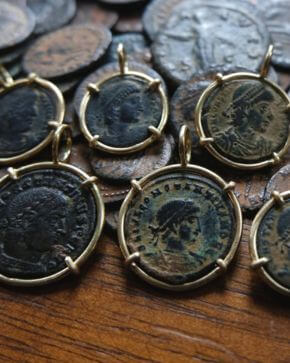
Other coins celebrated the stability of the empire and the founding of Constantinople, Constantine’s new imperial capital in the east. These small bronze pieces circulated widely throughout the Roman world, carrying imperial messages from Britain to the Near East.
Constantine’s coinage reflected the changing political and religious landscape of the Roman Empire. Symbols appearing on these coins communicated imperial authority, military victory, and divine favor across the vast territories of the Roman world.
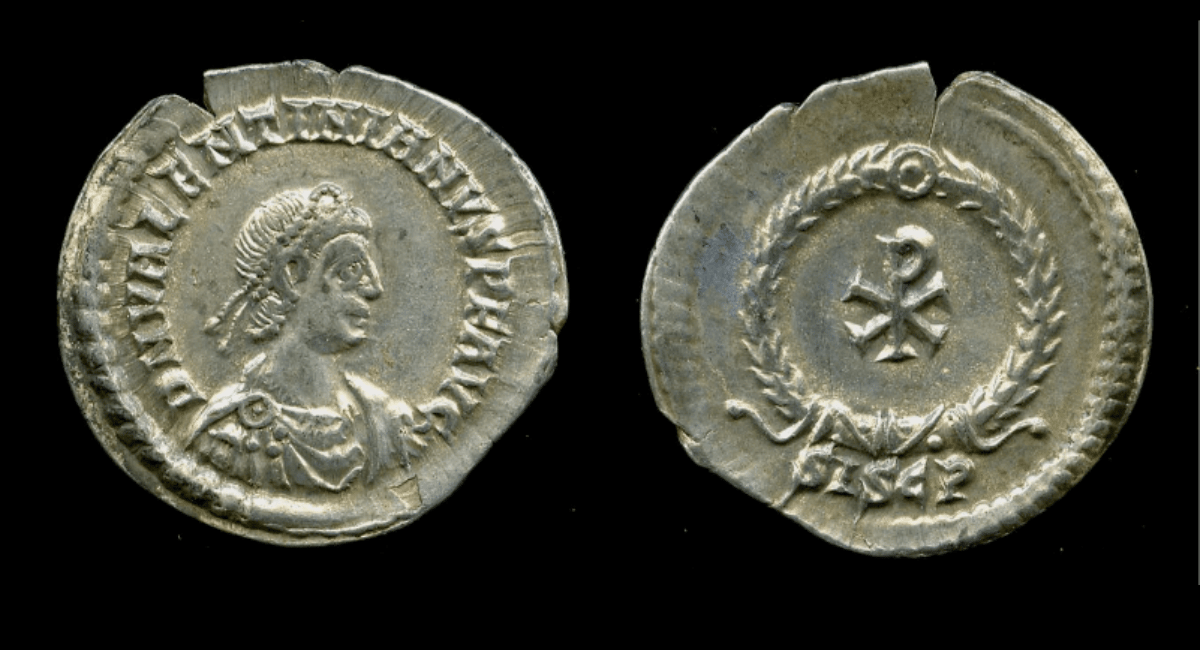
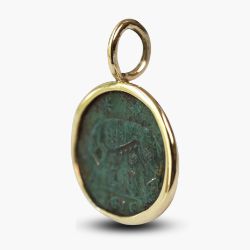
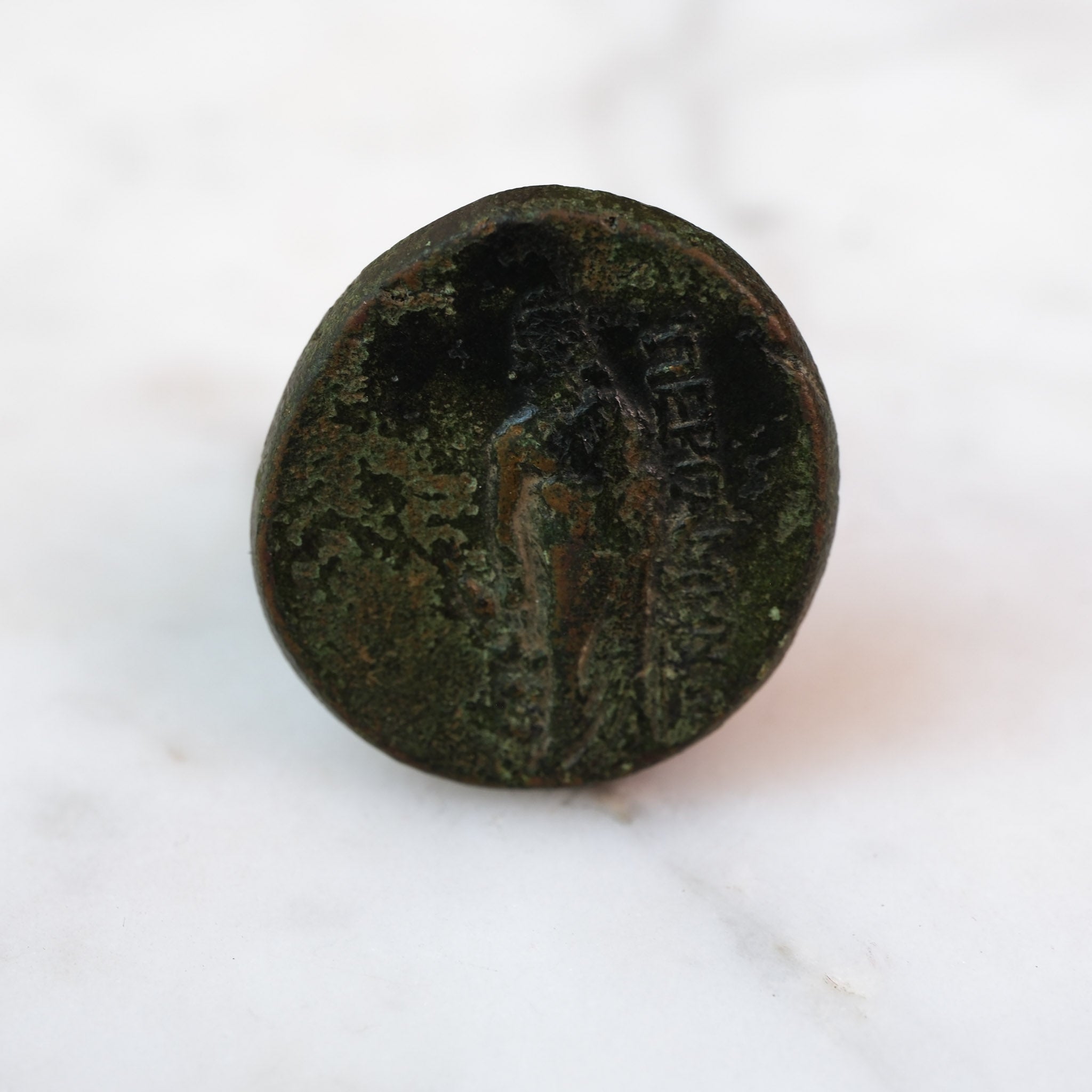
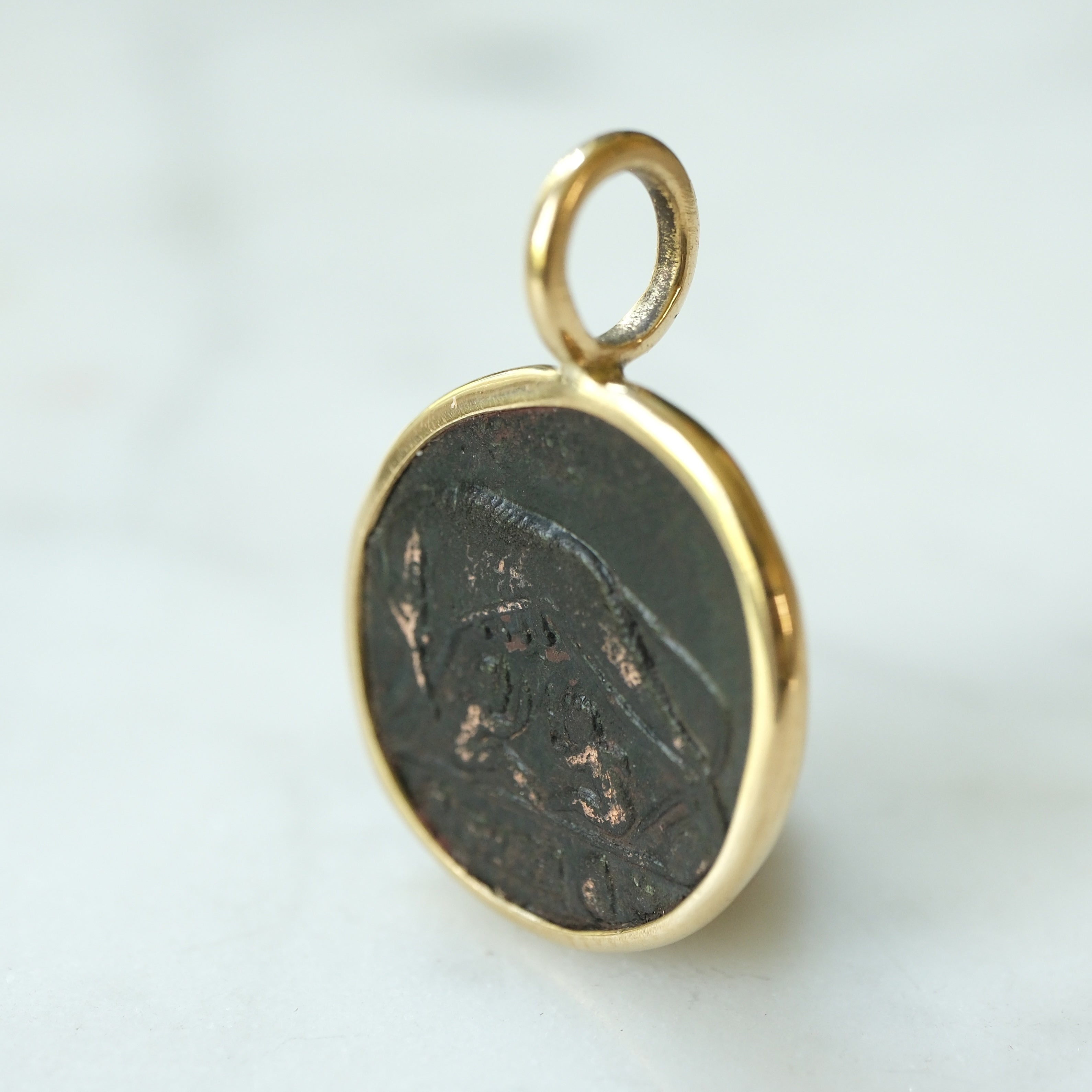
Late Roman bronze coin of Constantine I, AD 4th century.
The reverse displays the Chi-Rho, an early Christian monogram formed from the first two Greek letters of Christos. After the Battle of the Milvian Bridge (AD 312), Constantine adopted this symbol as a sign of divine favor. Coins bearing the Chi-Rho reflect the growing association between imperial authority and the Christian faith during his reign.
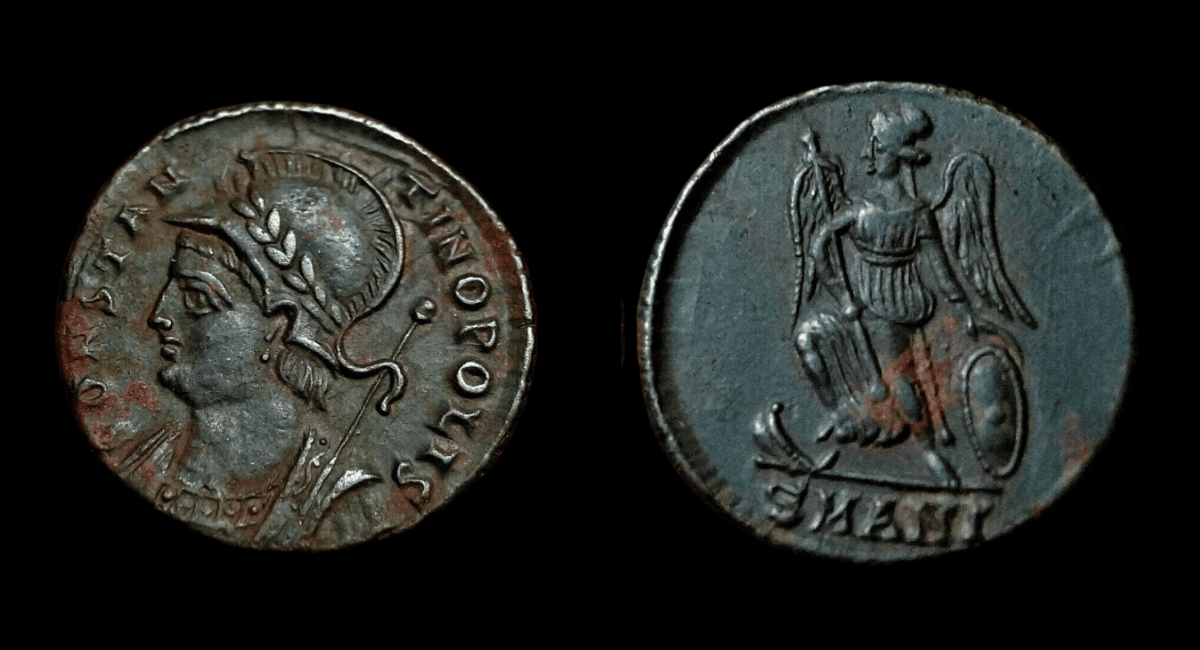
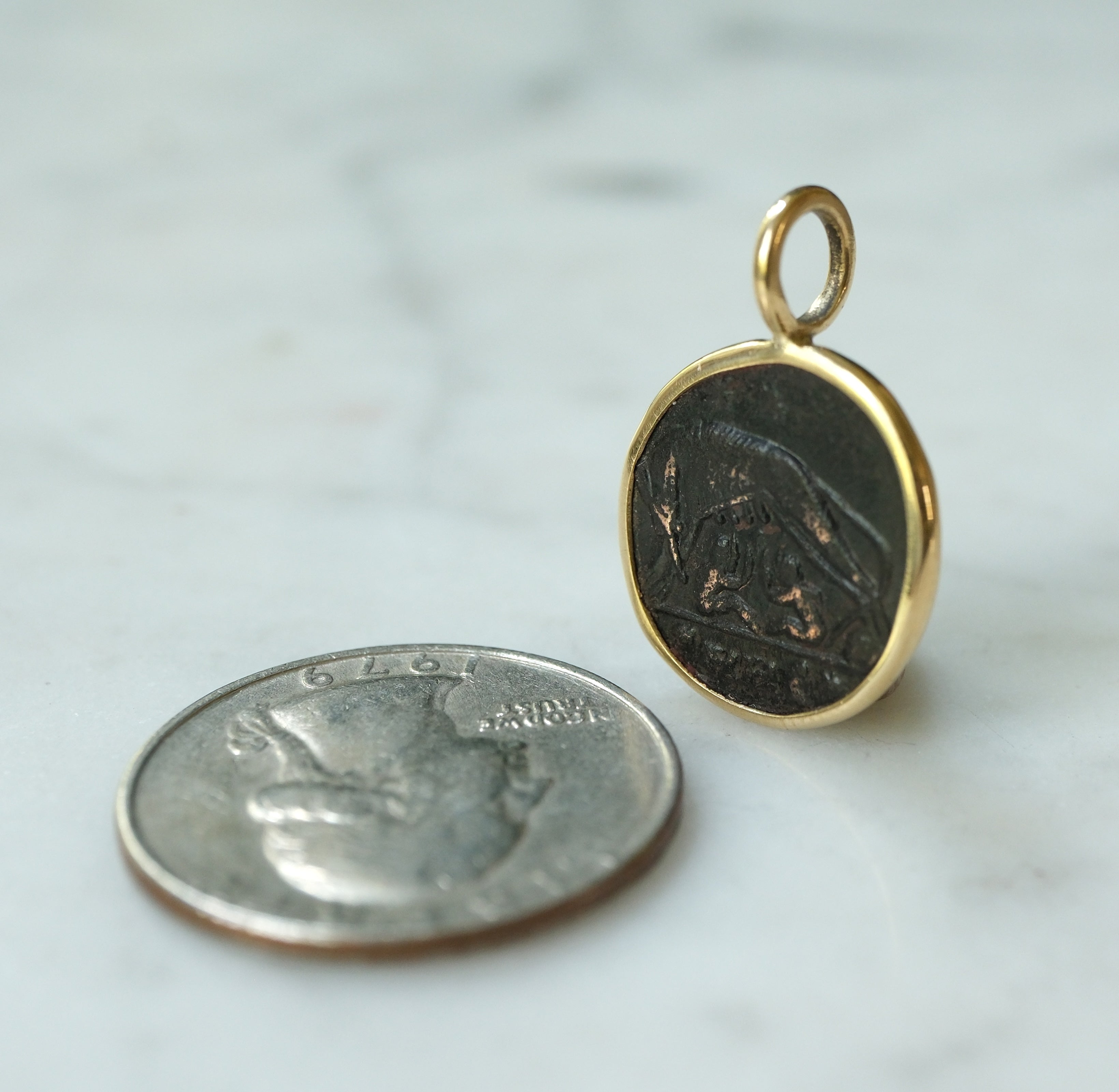
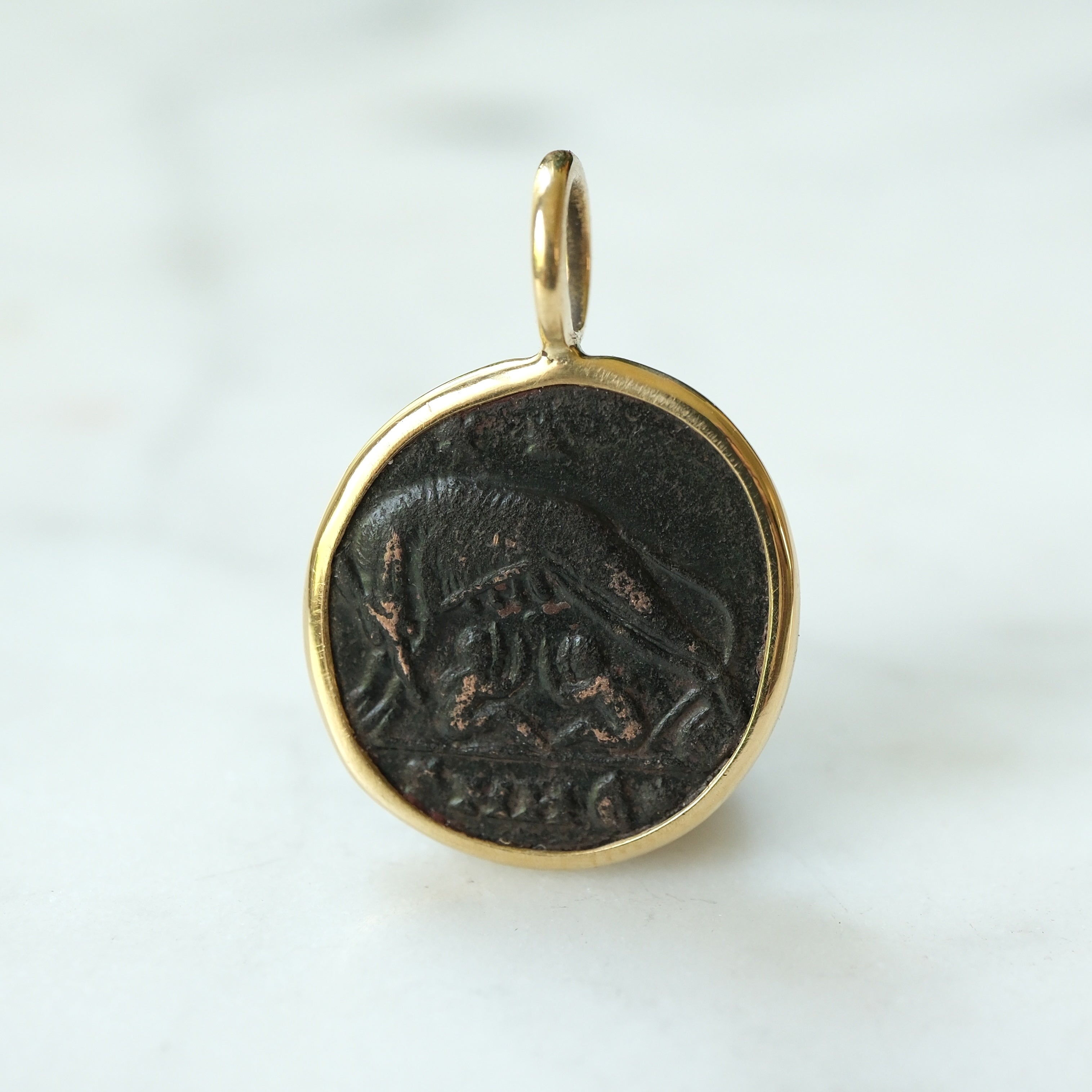
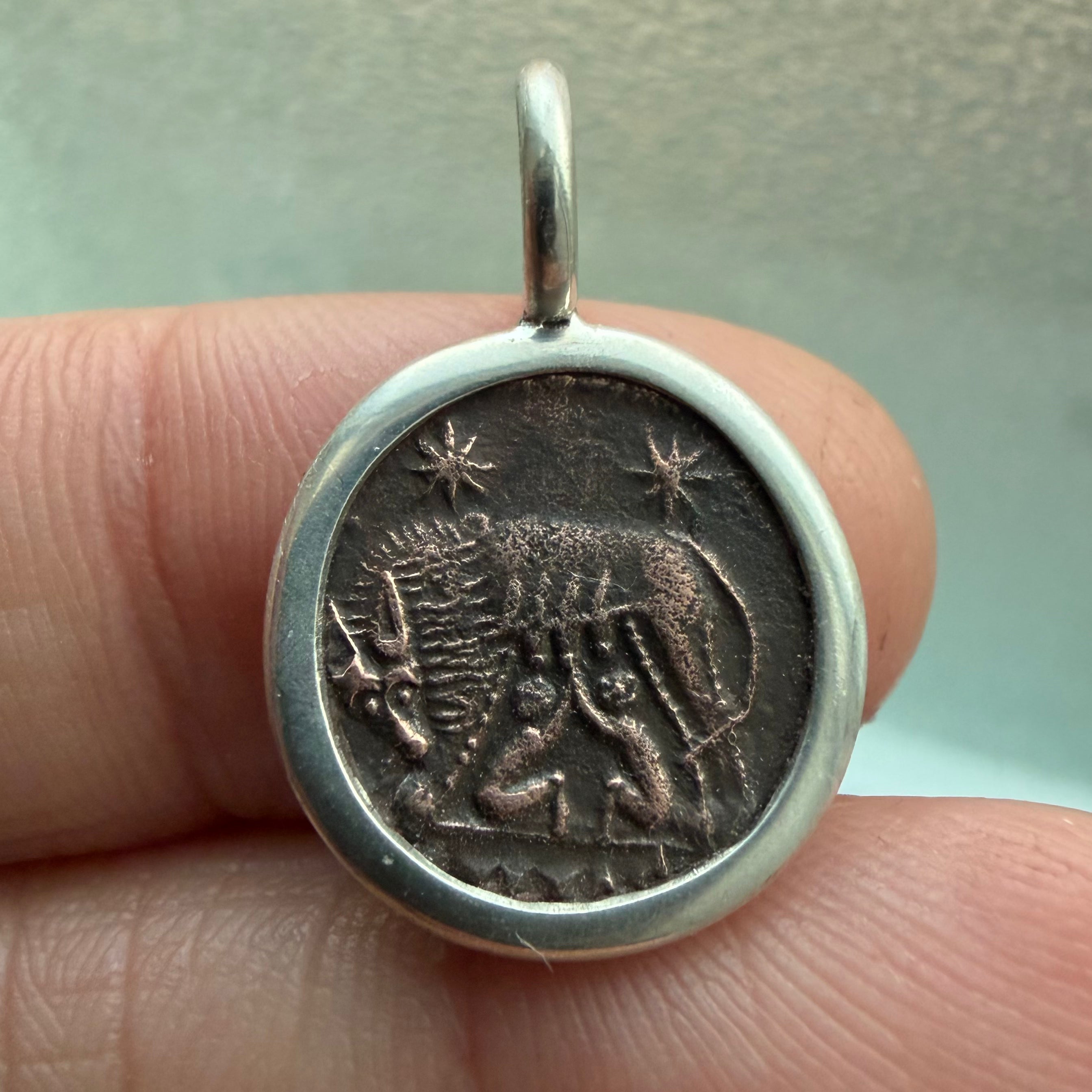
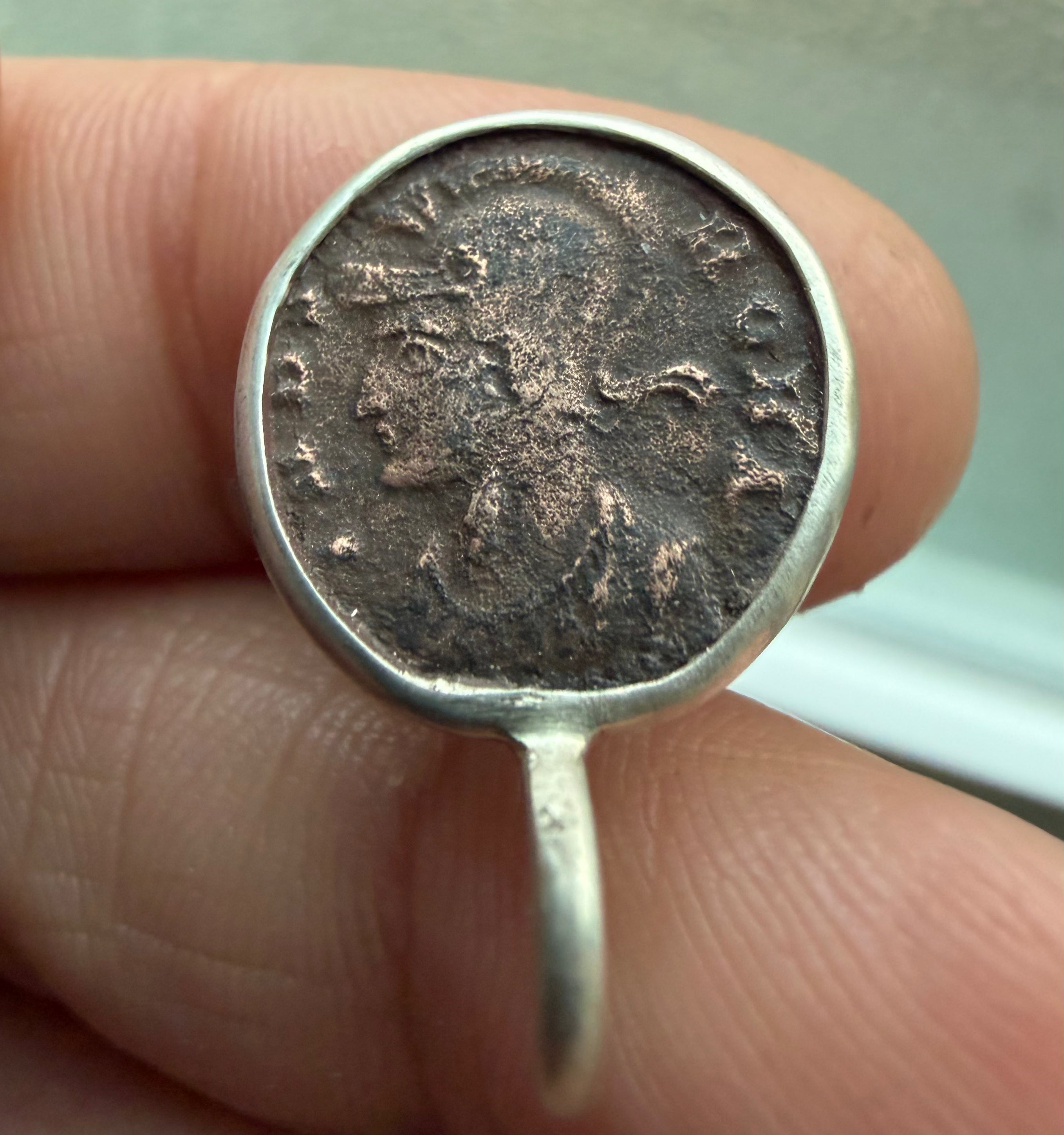
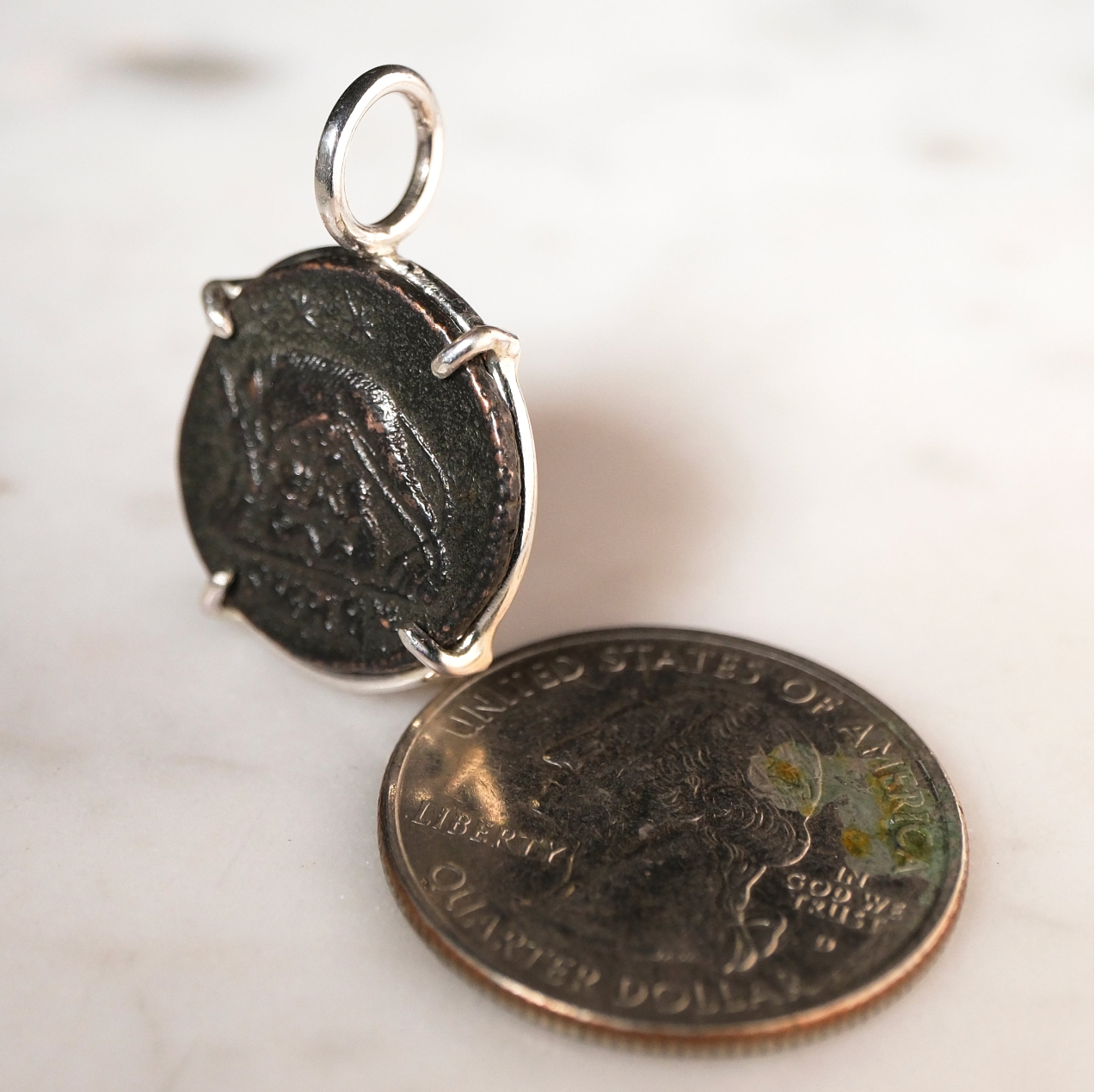
Late Roman bronze commemorative coin of Constantinopolis, AD 4th century.
The obverse depicts the helmeted personification of Constantinople, the new imperial capital founded by Constantine in AD 330. The reverse shows Victory standing on the prow of a ship, symbolizing the city’s power and its connection to Rome’s naval strength. These commemorative issues were struck across the empire to celebrate the founding of the new capital and the continuation of Roman authority under Constantine’s rule.
Explore Other Emperors
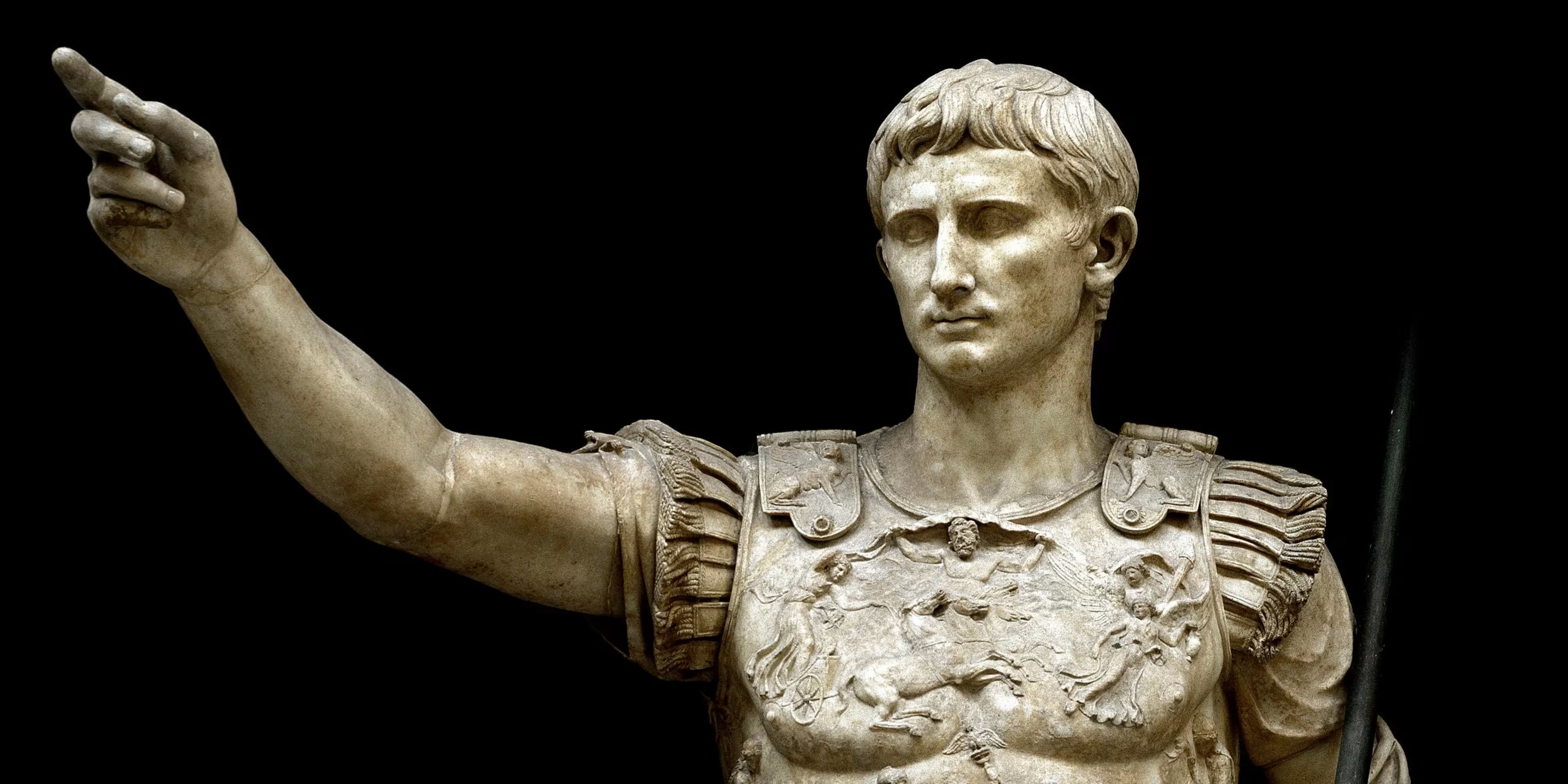
Augustus
The Founder
27 BC – AD 14
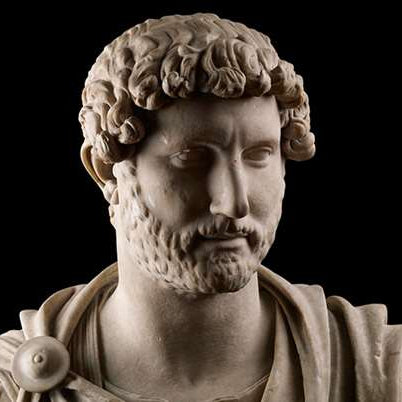
Hadrian
The Builder
AD 117 – 138
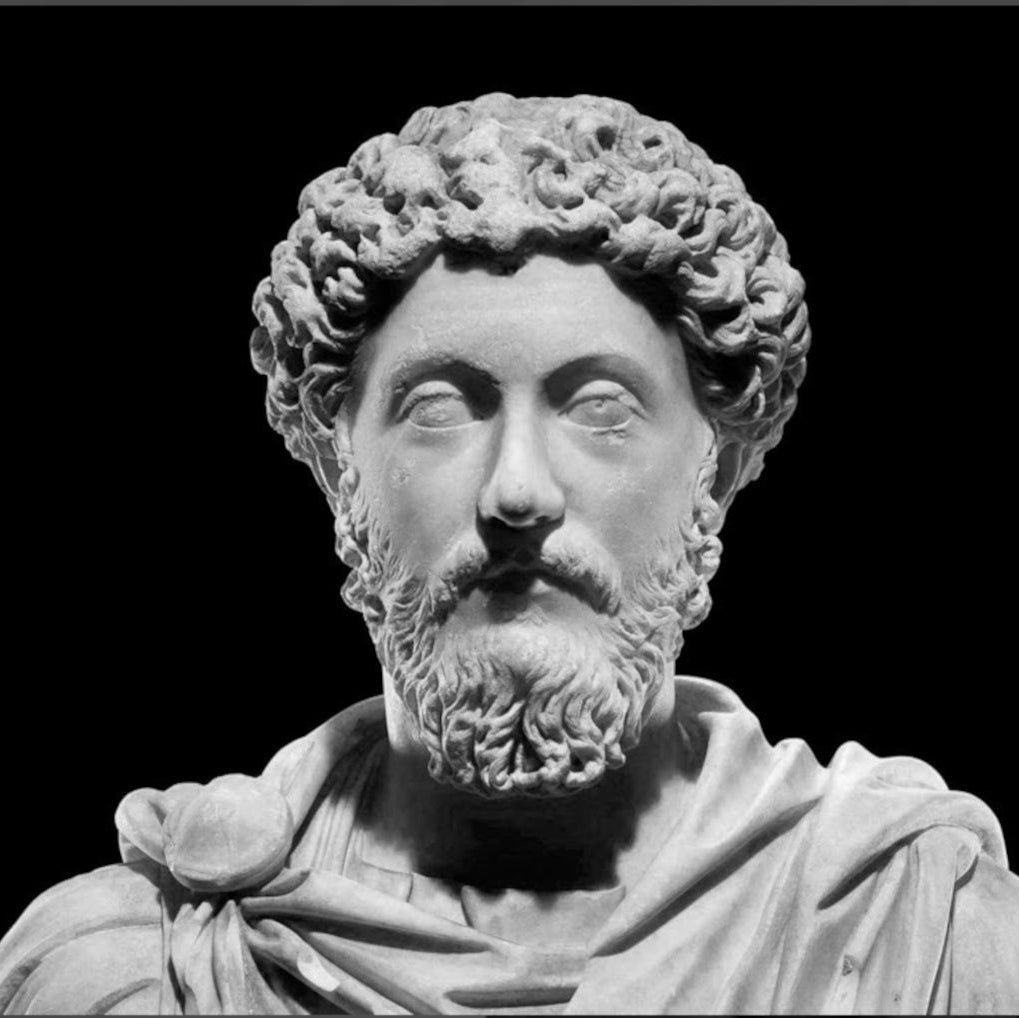
Marcus Aurelius
The Philosopher
AD 161 – 180
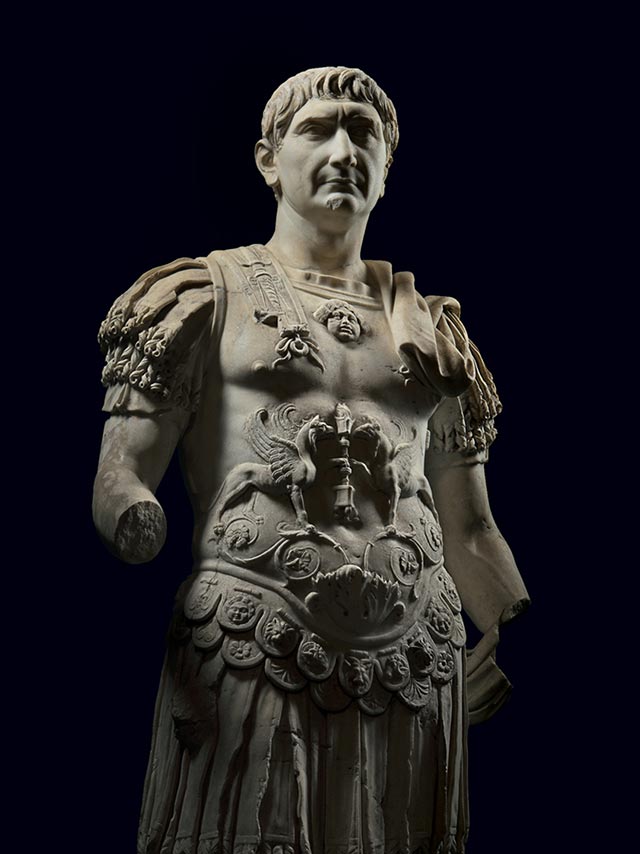
Trajan
The Conqueror
AD 98 – 117
FAQs
Are all coins authentic?
Yes — all coins are genuine, not replicas. Fakes are rare because good forgeries take too much effort for low-value coins, and bad ones are easy to spot.
Where are your coins bought?
Mostly from reputable ancient coin auctions in Europe and the USA, plus private collections.
Do you ship internationally?
Yes, we proudly ship worldwide. Shipping options and times vary by country — you’ll see available methods at checkout.
Can I send you my own coin to make a pendant?
Absolutely! We love turning personal coins into wearable pieces. Just email us at info@peregrinependants.com to discuss your custom order.
What if my pendant needs repair?
If your pendant ever needs repair or resizing, contact us — we’re happy to help keep your piece in top shape.
Hear from others
Authentic coins and authentic testimonials.