

The Coinage of Augustus
Augustus ruled the Roman world at the fragile moment when a republic collapsed and an empire took its place. His reign redefined Roman power, transforming civil war into a new political order centered on a single ruler while preserving the illusion of republican tradition. The coins issued under his authority traveled across the vast territories of Rome, quietly broadcasting messages of peace, legitimacy, and restored stability. Through these small pieces of metal, Augustus presented himself not merely as a victor, but as the architect of a new age.



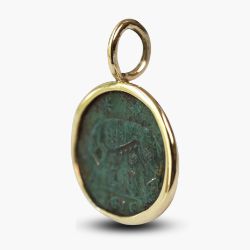
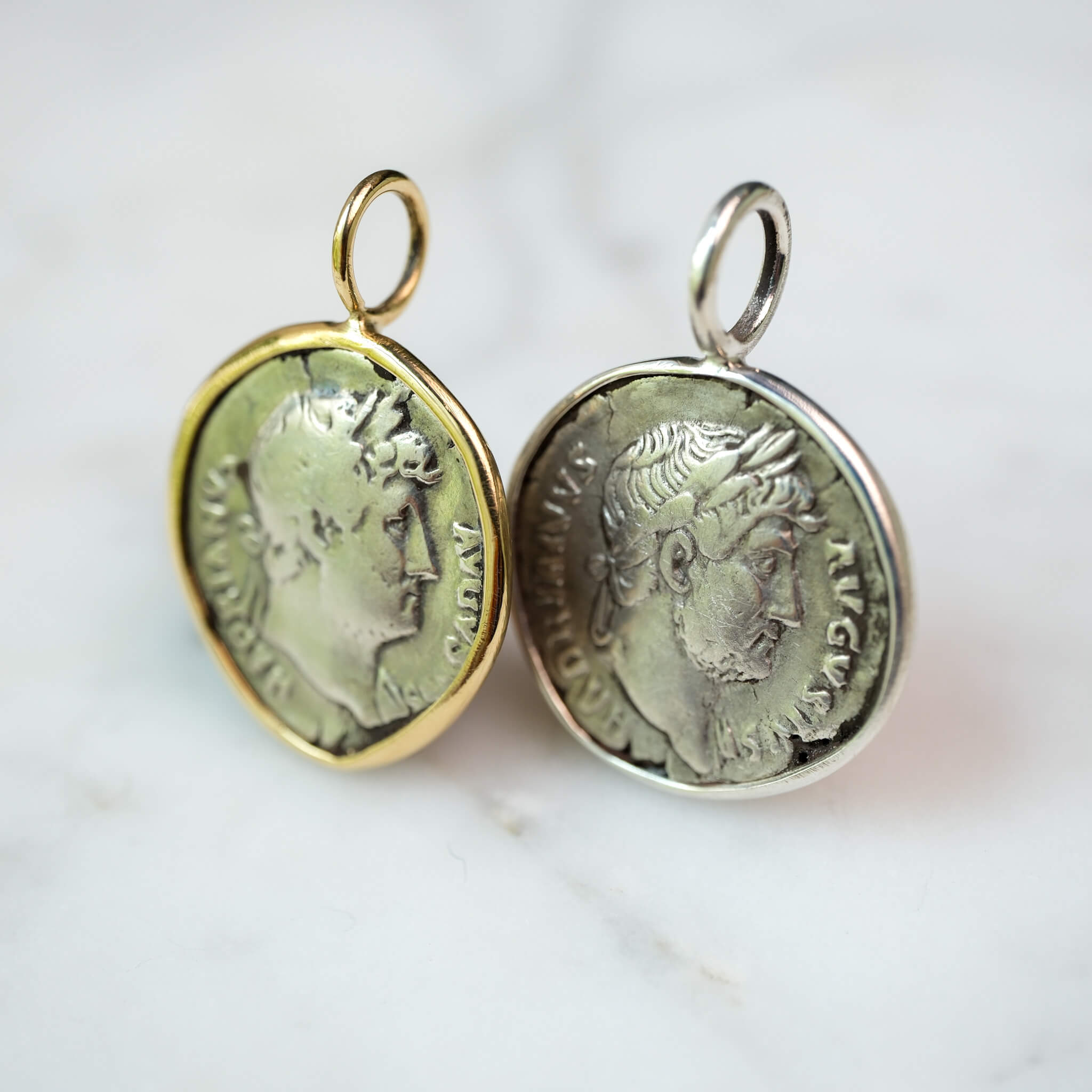
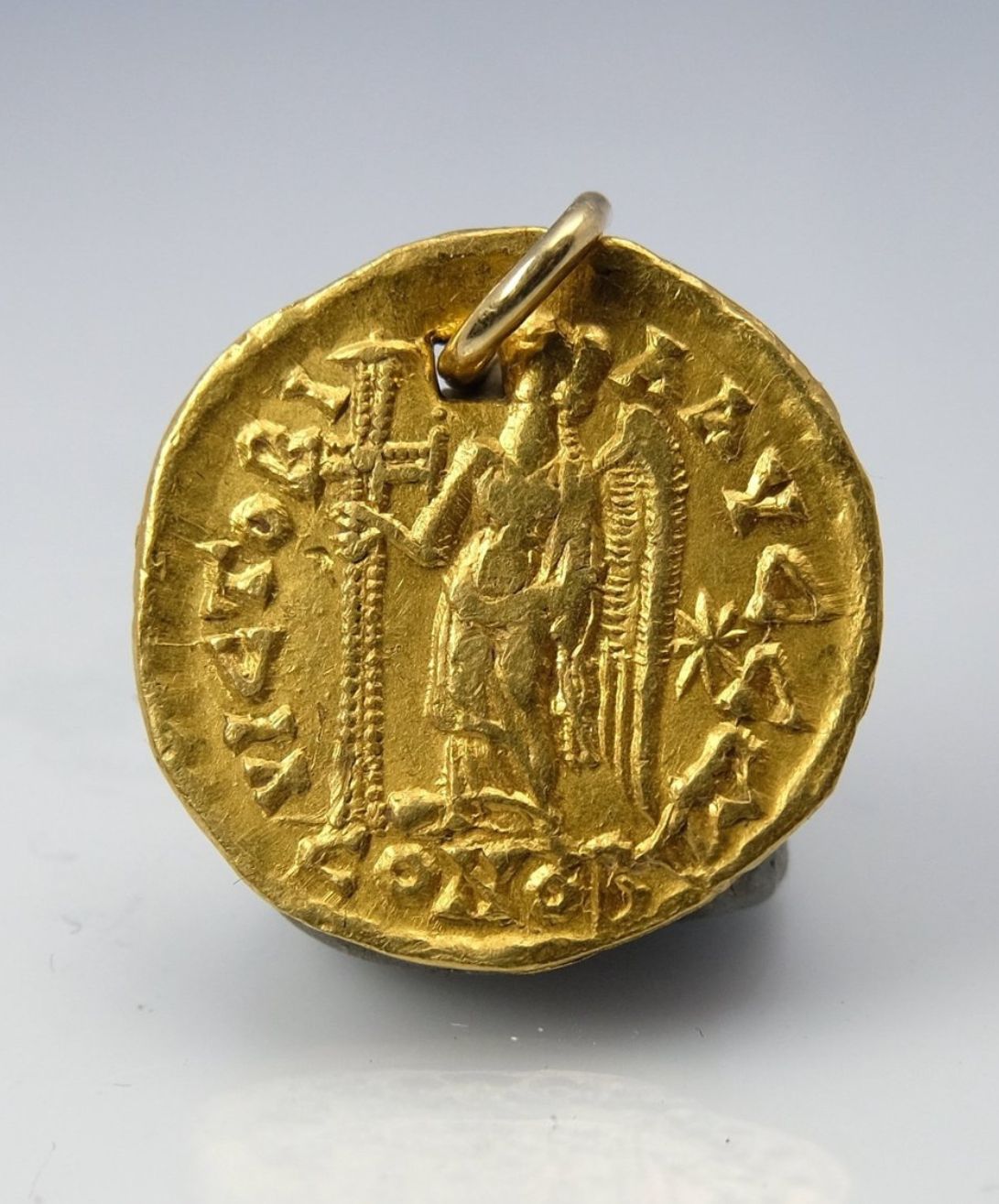
Augustus Semis from Colonia Patricia in Silver


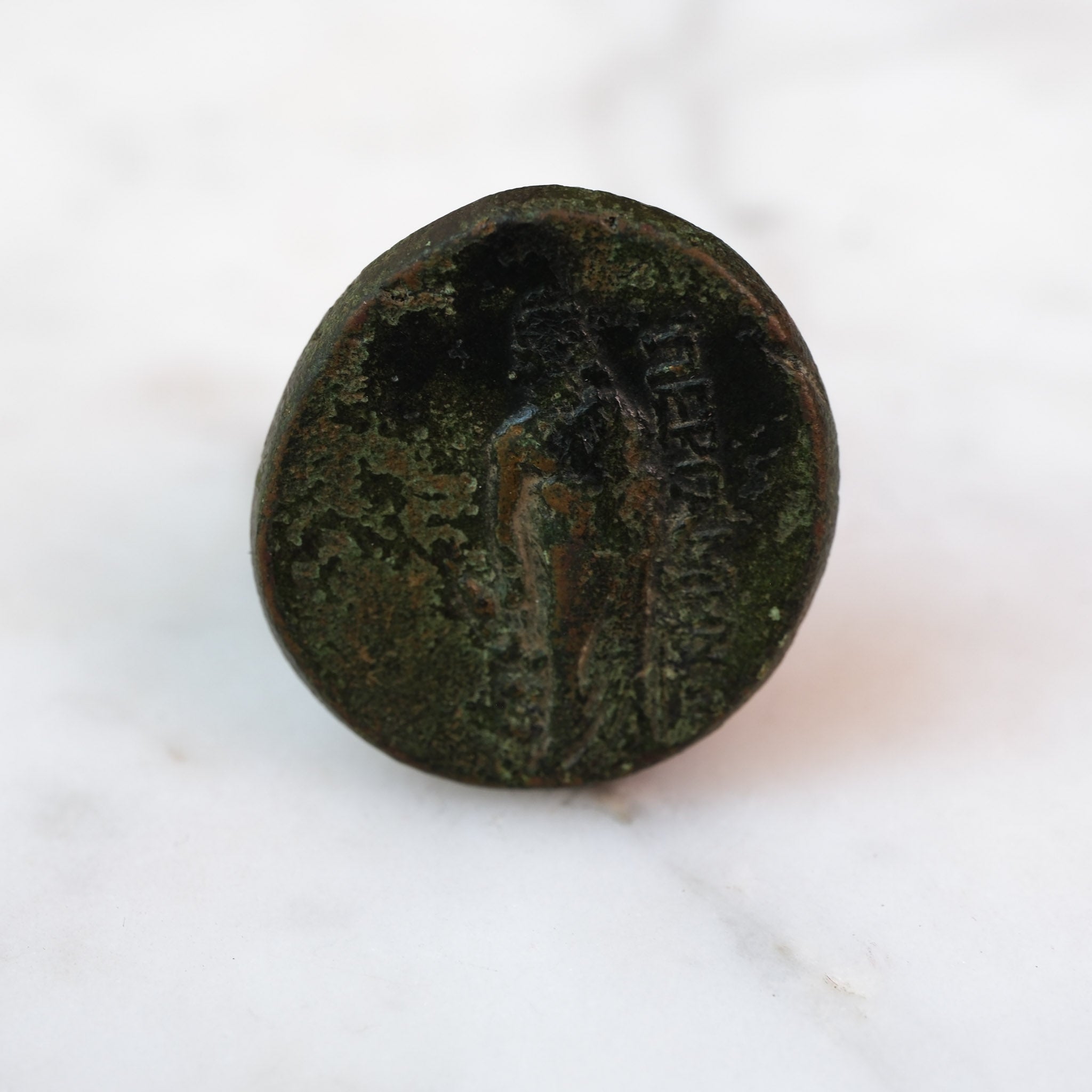
Thrace Bronze of Rhoemetalkes I with Augustus in Silver


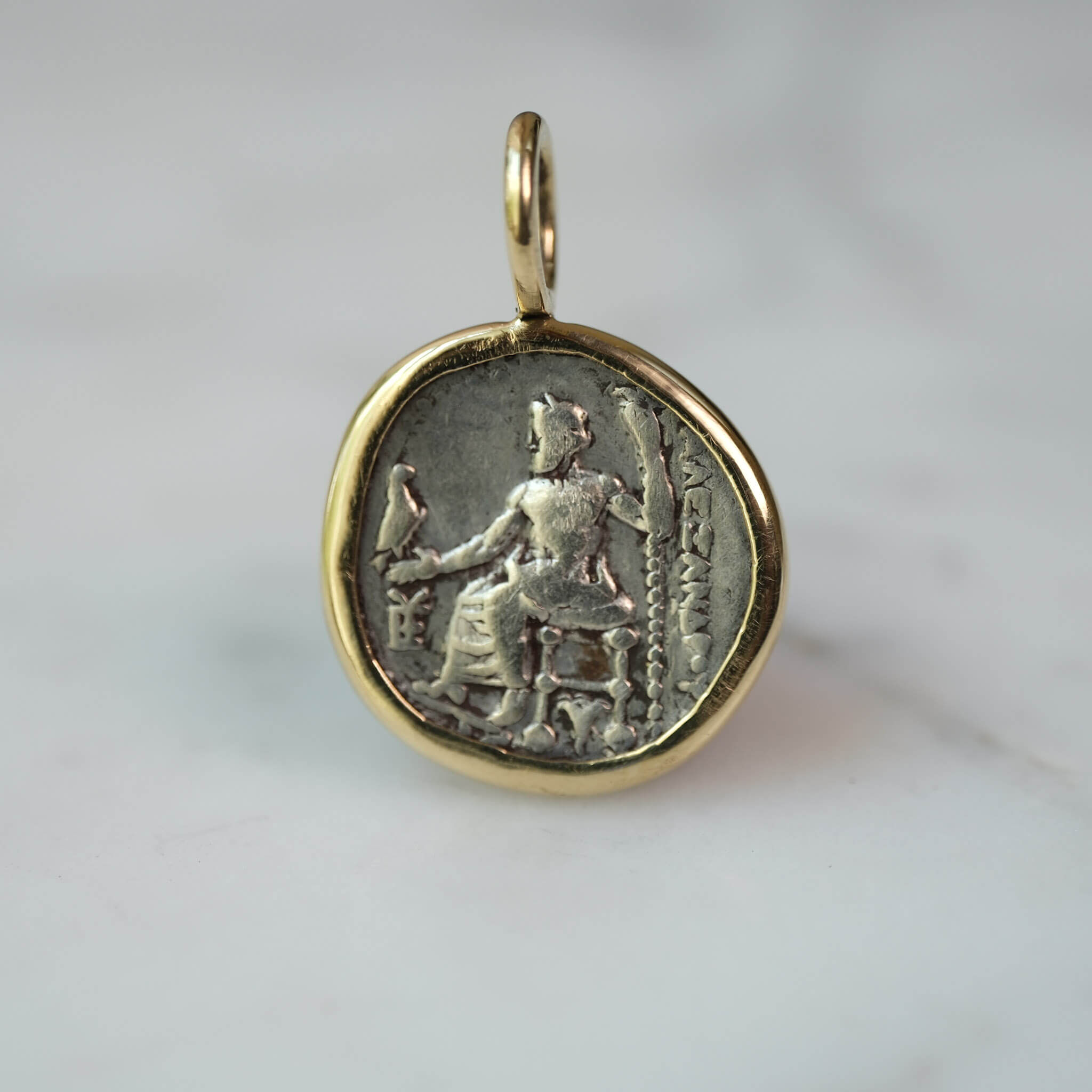
Divus Augustus Denarius under Tiberius in Silver
Symbols of Augustus`s Reign
The coinage of Augustus reflected a Roman world learning to live under a new kind of power. His issues emphasized restored stability, dynastic legitimacy, and the careful projection of authority wrapped in the language of tradition. Though he ruled as Rome’s first emperor, Augustus consistently presented himself as the restorer of the Republic—a message repeated endlessly through the empire’s circulating coinage.
Among the most recognizable images of his reign are those associated with the Capricorn, Augustus’s astrological sign, which appeared on several issues as a subtle suggestion of cosmic favor and destined rule. Other coins celebrated the peace that followed decades of civil war, invoking the ideals of harmony, prosperity, and renewal that would later be remembered as the Pax Romana.
Some of Augustus’s most influential coin types also promoted the future of his dynasty. Portraits of heirs and symbols of continuity appeared beside traditional Roman imagery, quietly preparing the empire for a new political reality—rule by a single household rather than competing republican magistrates.
These small silver and bronze pieces circulated widely throughout the Roman world, from Hispania to Syria, carrying imperial messages across an empire still adjusting to its transformation. In their imagery and inscriptions, the coins of Augustus reveal the careful construction of a new political order—one that balanced the memory of the Republic with the unmistakable presence of empire.
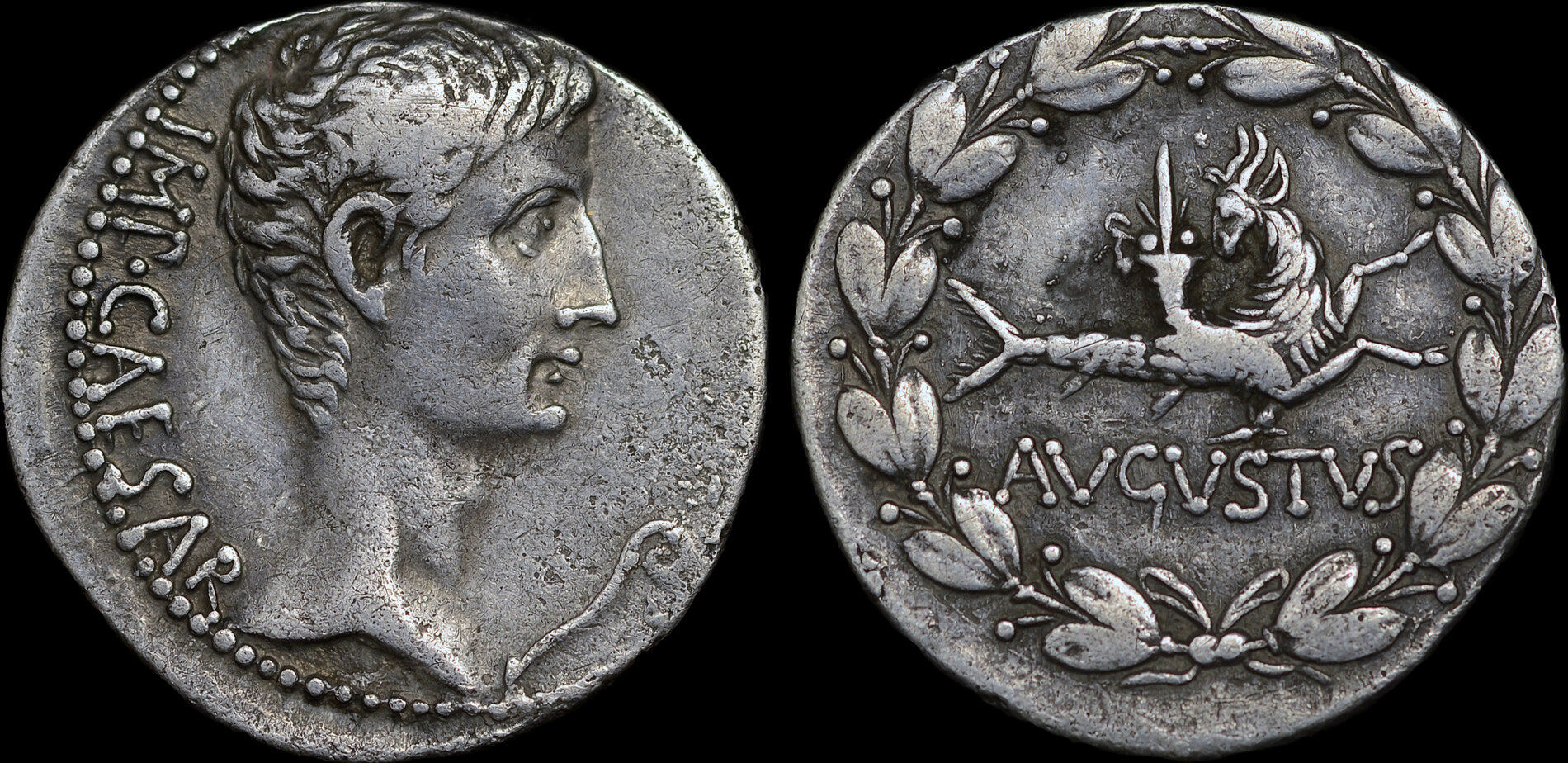
Silver cistophorus of Augustus, struck between 27 BC and AD 14.
This large silver denomination was produced primarily in the Roman provinces of Asia Minor, where the cistophoric standard had been used since the Hellenistic period. Under Augustus, the coin continued to circulate widely throughout the eastern Mediterranean, blending long-standing regional traditions with the imagery of Rome’s new imperial authority.
The obverse typically bears the portrait of Augustus, presenting the emperor in the refined Hellenistic style familiar to eastern audiences. Reverse designs vary, but often incorporate Roman symbols of victory, legitimacy, or dynastic stability, reinforcing Augustus’s position as the founder of a new political order.
These silver cistophori illustrate how Augustus carefully integrated the eastern provinces into the imperial system. By maintaining familiar coin denominations while introducing imperial portraiture and messaging, the coinage helped communicate Roman rule across a culturally diverse empire.
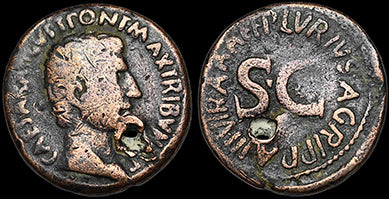
Bronze As of Augustus, struck in 7 BC by the moneyer Publius Lurius Agrippa.
The obverse displays the bare head of Augustus facing right with the inscription CAESAR AVGVST PONT MAX TRIBVNIC POT, proclaiming his titles as Pontifex Maximus and holder of tribunician power—positions that reinforced both his religious authority and his political supremacy within the Roman state.
The reverse bears the inscription P LVRIVS AGRIPPA IIIVIR AAAFF, surrounding a large SC (Senatus Consulto), indicating that the Senate had authorized the issue of this bronze coinage. The title IIIVIR AAAFF identifies Agrippa as one of the officials responsible for overseeing the minting of Roman coins.
Coins such as this circulated widely among the everyday population of the empire. While small in value, they carried the unmistakable image and titles of Augustus throughout Roman markets and streets, reinforcing the presence of imperial authority in the daily economic life of the empire.
Explore Other Emperors
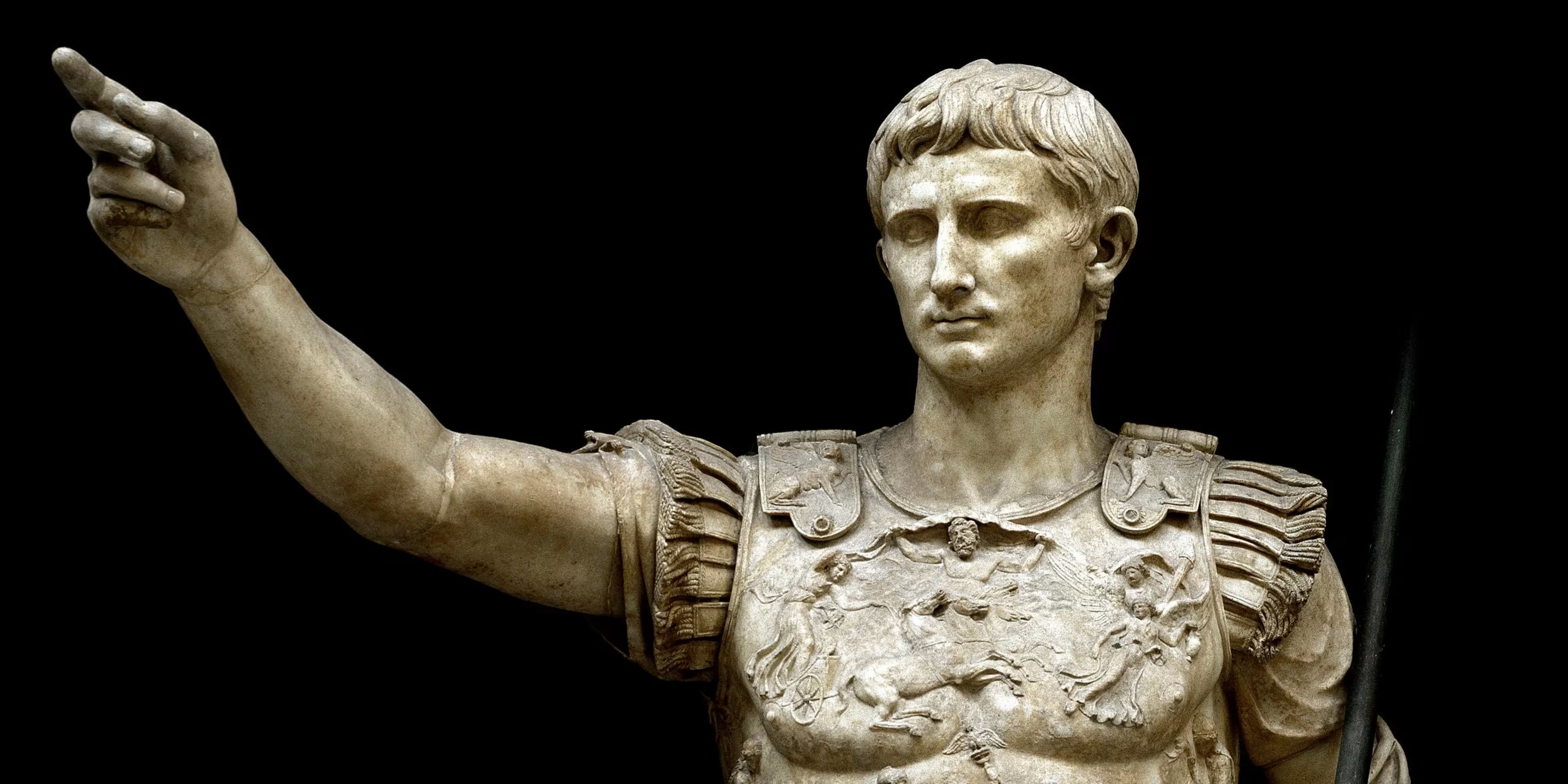
Augustus
The Founder
27 BC – AD 14
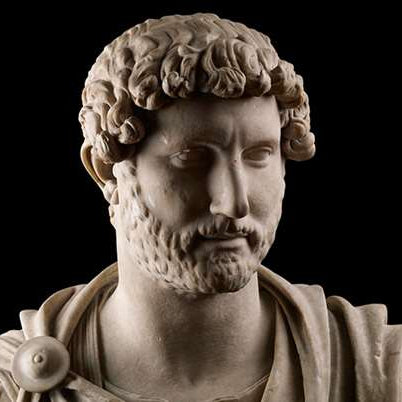
Hadrian
The Builder
AD 117 – 138
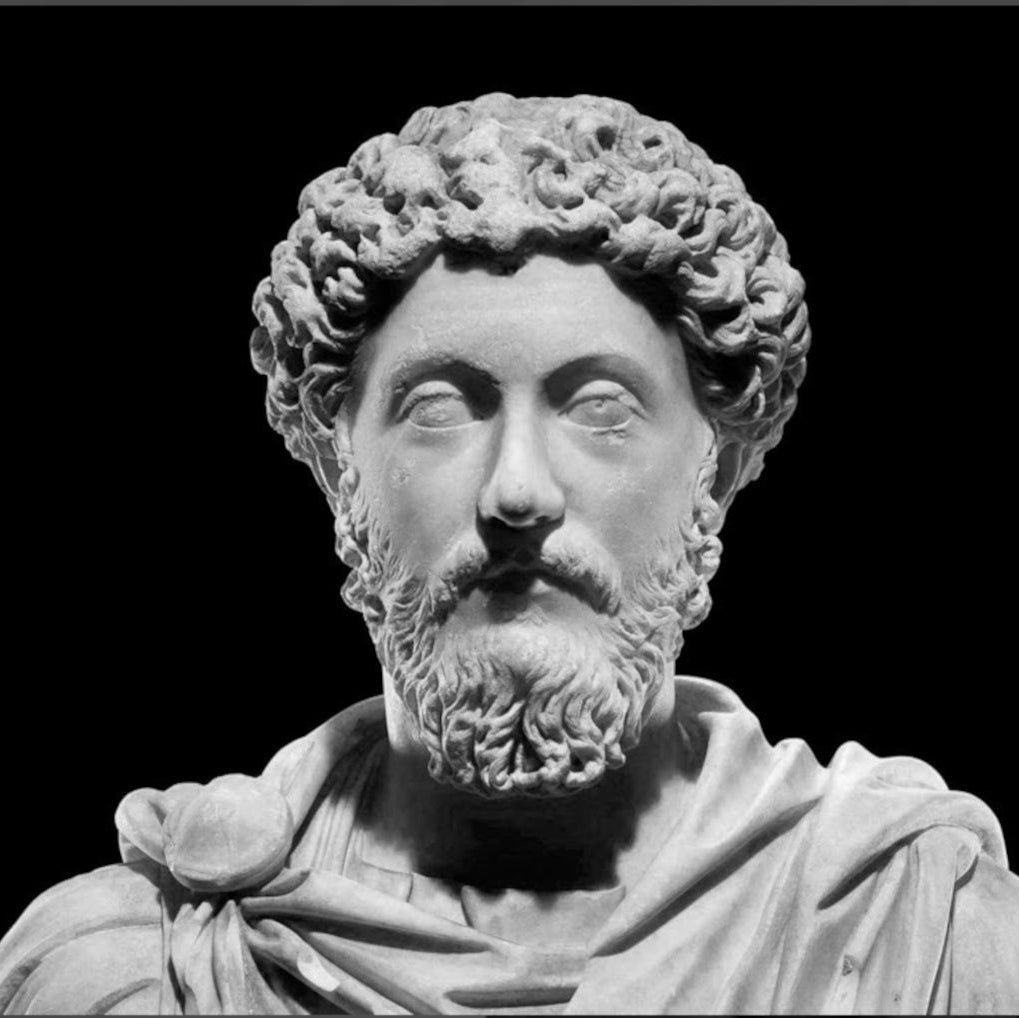
Marcus Aurelius
The Philosopher
AD 161 – 180
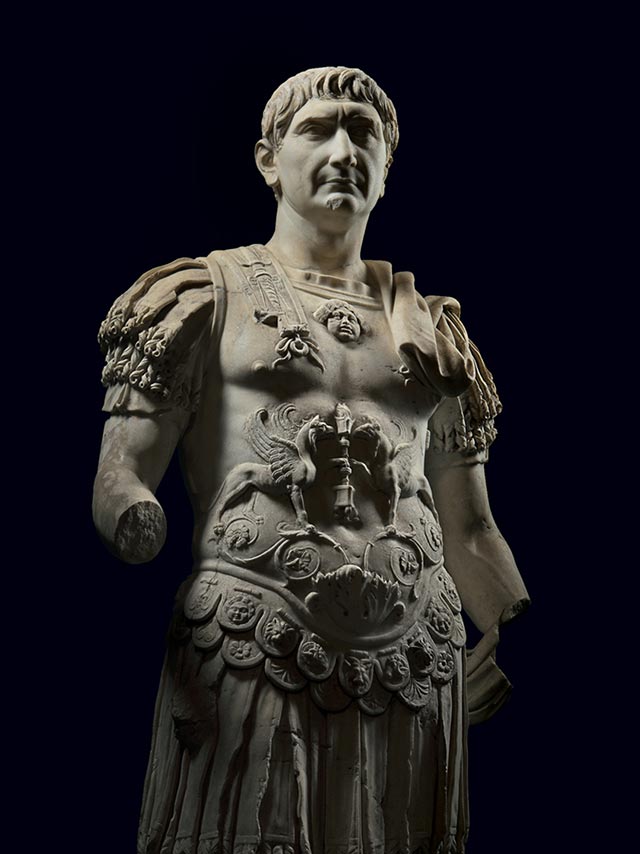
Trajan
The Conqueror
AD 98 – 117
FAQs
Are all coins authentic?
Yes — all coins are genuine, not replicas. Fakes are rare because good forgeries take too much effort for low-value coins, and bad ones are easy to spot.
Where are your coins bought?
Mostly from reputable ancient coin auctions in Europe and the USA, plus private collections.
Do you ship internationally?
Yes, we proudly ship worldwide. Shipping options and times vary by country — you’ll see available methods at checkout.
Can I send you my own coin to make a pendant?
Absolutely! We love turning personal coins into wearable pieces. Just email us at info@peregrinependants.com to discuss your custom order.
What if my pendant needs repair?
If your pendant ever needs repair or resizing, contact us — we’re happy to help keep your piece in top shape.
Hear from others
Authentic coins and authentic testimonials.